Recommendation For Earwax Removal Bitterscote
We know you probably do not want to provide much thought to earwax: Whatsoever, however fact is, the gunk can in fact tell you a reasonable quantity about on your own– and also not simply in a personal hygiene type of method. While there’s a lot even the pros do not know about earwax– like its precise function, as an example– there are some concepts as well as obscure factoids worth recognizing, for your health and wellness’s benefit. 1. Earwax keeps your ears from itching. One of the sensible sides of earwax is that it appears to lubricate the ears, according to Penn Medication, the way that rips lubricate the eyes. The wax might keep ears from really feeling completely dry or scratchy. Get the lowdown about Recommendation For Earwax Removal Bitterscote by going to micro suction near me tamworth.
Earwax Microsuction Tamworth Map
What Does Your Ear Wax Tell Us About Your Health When You Go To Tamworth?
Ear wax additionally keeps ears (fairly) tidy. That waxy accumulation is a hot combination of those lubricating secretions, sloughed skin cells and dirt and dirt trapped there while attempting to enter your ear. However believe it or not, essentially, it will certainly cleanse itself out. Every motion of the reduced jaw, whether it’s chatting or eating, pushes the wax toward the outside world– no cotton bud required. Actually, trying to clean earwax can do even more harm than good, if the wax is pushed further right into the ear canal as opposed to drawn out. Most experts concur you must leave your earwax alone unless you’re experiencing signs and symptoms of excessive earwax, which can include hearing adjustments, LiveScience reported.
How Can You Keep My Ears Healthy In Tamworth?
Your earwax can tell you about your sweat. Some individuals create damp earwax, while others remain dry. The white, flaky kind probably implies that you additionally do not have a certain chemical in your sweat that results in body smell. Dark as well as sticky earwax, nevertheless, implies you’ll want to keep antiperspirant handy. Earwax differs by race. That completely dry versus damp distinction might have something to do with your forefathers, according to a recent study. Monell Facility researchers discovered that, like with sweat, chemical substances in earwax vary in between the races, and also the molecules that generate an odour are typically greater in Caucasians than in East Asians. Stress and anxiety or concern can boost earwax production. The glands in the ear that help to secrete wax are a course of glands called the apocrine glands, which are likewise in charge of your smelliest sweat. Just like stress and anxiety can make you sweat more (as well as odor worse), it (together with various other strong psychological actions, like concern) can additionally up your earwax production, according to the American Speech-Language-Hearing Association.
The Function Of The Outer Ear: Gathering Sounds
One of the most breakable bone: The temporal bone is the most brutal in the body. It secures the inner ear. The tiniest bone in the body is also found in the ear. The stapes bone in the center ear is the smallest in the human body. It is a member of the auditory ossicles. Evaluation of the ear: Commonly, the very first test for an ear condition is simply taking a look at the ear. An otoscope is a gizmo that permits you to view the tympanum with the ear canal. An audiologist examines an individual’s hearing in each ear making use of noises of differing amplitude as well as regularity. Computed tomography (CT check): A CT scanner develops pictures of the ears as well as surrounding structures utilizing X-rays as well as a computer.
The Point Of The Middle Part Of The Ear: Transformer – Greater Than Meets The Ear!
Many people make use of cotton bud for ear cleansing. Which is unnecessary and might potentially cause damage. The pores of the ear canal as well as the cilia, which are hundreds of microscopic hairs, permit the ears to self-clean. While much earwax could create hearing issues, the correct amount helps keep an ear healthy and balanced and tidy. Swimmer’s ear is treated by avoiding swimming, making use of non-prescription pain relievers, as well as potentially anti-biotics. Physicians might offer drugs to relieve signs and symptoms and also clean the damaged ear. Swimmer’s ear can be treated at home by applying warmth to the ear canal with a hot pad as well as washing with white vinegar to bring back the ear canal’s regular ph and also reduce swelling. An ear infection is discovered making use of a tool called an otoscope to examine the inside of the ear.
The Raison D’Etre Of The Inner Part Of The Ear: Nerve Signals Commence Here
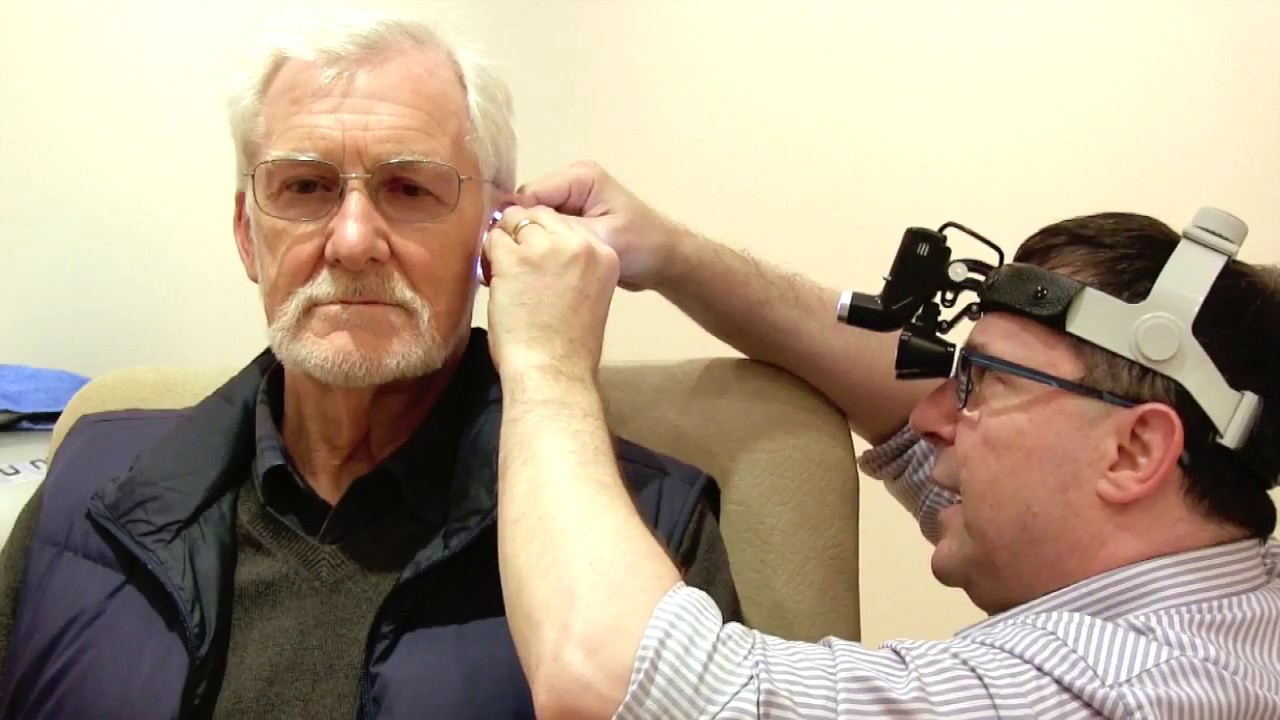
The ear is separated right into 3 regions that function en masse to accumulate and transmit sounds to the mind: the external ear, the center ear, and also the internal ear. The ear is both a hearing and a balance body organ. It is made up of 3 parts: the outer, middle, and also inner ear. The outer ear makes up the pinna (the visible cartilage portion covered in skin, hair, or hair) and the ear canal. The pinna is formed to accumulate and transfer acoustic waves via the ear canal to the tympanum. The auricles of pet dogs are movable and also can relocate separately of each other. The auricles differ in shapes and size according to breed. The canine ear canal is much more extensive than the human ear canal, giving an extra effective path for audio to get to the eardrum.
Find out more at this website
The visible part of the pinna is referred to as the auricle or auricula. The auricle’s grooves and ridges provide an all-natural volume improvement for noises in between 2000 and 3000 Hz, which includes most consonant speech sounds. The ear canal, conversely referred to as the outside auditory canal, is one more famous feature of the external ear. The ear canal is a highly vascularized area with just a couple of layers of skin as well as great hairs. This shows that the ear canal obtains a bountiful supply of blood. The ear separates into 3 sections: the external ear, the center ear, and also the internal ear. the middle ear, and also the internal ear. These parts all function in unison to assist you in hearing and also handling audios. The tympanum– a slim layer of skin that vibrates in action to acoustic wave– separates the outer and also center ears. This web page goes over middle ear infection (otitis media), a problem in which the air-filled location listed below the tympanum ends up being infected/inflamed. This area can come to be blocked with mucous (fluid), which can obtain contaminated and also trigger inflammation.
If it’s missing If you notice an almost complete absence of earwax, which is generally visible when trying to cleanse your ear canal, there’s most likely not much to bother with. However, if feelings of pain or stuffiness exist it can indicate a rare problem known as “keratitis obturates.” This condition essentially triggers a tough buildup of wax deep within the ear canal. As a precaution, it might be worth taking a trip to a family physician (FP) or an ear professional– an otolaryngologist. If it’s leaking When particles gathers within the ear canal, it will typically be released by natural mechanisms or cleansing of the ear canal. When this debris significantly leaks from the ear, it might suggest an abnormal skin growth called “cholesteatoma.” Various other signs of this problem consist of feelings of pain or stress within the ear.
The tympanum is a small item of tissue that is strongly twisted around the ear canal. Sounds strike the tympanum, creating it to shake. This action produces vibrations in three small bones found between ear. The animal ear is split right into 3 sections: the outer ear, which gets acoustic waves; the middle ear, which transfers vibrations by means of a series of 3 tiny bones; as well as the internal ear, or inner ear chamber, which is a complicated chamber of bones situated deep within the head. The external ear makes up the outside auditory canal and the newly created pinna, a cartilaginous structure that sticks out from the ear. The pinna is quite variable in shape as well as size. The pinna’s acoustic feature differs dramatically between animals. The pinna is pushed towards an audio source in some animals, helping the pet in focusing on the external acoustic canal and ultimately directing it into the ear canal.
Otosclerosis is an ear disorder qualified by inappropriate bone development. The ear is an advanced system that counts on a variety of mechanisms to transform incoming acoustic waves to nerve impulses. A portion of this procedure is dependent on a little bone known as the stapes bone. Usually, this bone is complimentary to move around in its pocket as well as send out information. However, in those with otosclerosis, it can become so enormous that it becomes stable. As well as when this happens, it sheds its capacity to transmit incoming audio impulses to the inner ear. Ideally, if an individual has not struggled with considerable hearing loss, this technique will not require a medical opening of the skull (a craniotomy). The vestibular nerve is cut near its leave from the brain, hindering the impulses that generate dizziness. The treatment takes about two hrs. Frequently, individuals are confessed to the hospital for a couple of days. adhering to surgical treatment to recuperate.
It’s fascinating to think about how something as seemingly mundane as earwax can serve as a window into our health. I often wonder about the ways our bodies communicate their needs and states of well-being, and earwax is a perfect example of that. For instance, variations in earwax consistency can sometimes indicate hydration levels or even dietary choices.
You brought up a great point about earwax as a reflection of our health. It’s wild to think how our bodies can send us little signals that we might overlook. I mean, who would’ve thought that something we often view as an annoyance or just plain gross could be a health indicator?
You’re so right; it’s fascinating how our bodies communicate in such subtle ways. I’ve come to appreciate those little signs we often dismiss. For instance, I’ve noticed changes in my skin that seemed minor at first but turned out to be linked to dietary shifts or stress levels. It makes you think about how interconnected everything is.
It’s interesting how those little signs can feel so insignificant at first but can carry a lot of meaning once we really tune in. Changes in our skin are a perfect example of how our bodies can reflect what’s happening inside us. It’s like chatting with ourselves in a way, right? When you adjust your diet or experience stress, your body often gives you feedback that’s hard to ignore if you’re paying attention.
I completely resonate with what you’ve shared about those subtle signs our bodies give us. It’s so true that they can seem insignificant at first, but when we genuinely tune in, they can reveal so much. Changes in our skin or other physical symptoms often act like a mirror, reflecting back what’s happening internally—whether that’s due to stress, diet, or even emotional well-being.
I totally get what you’re saying. It’s fascinating how our bodies communicate with us, isn’t it? Those small changes often feel minor, but they can have a lot to say about what’s going on beneath the surface. I’ve noticed changes in my skin, for instance, could pop up during particularly stressful weeks—it almost feels like my body’s way of saying, “Hey, pay attention to what’s happening inside.”
It’s so interesting to hear your thoughts. You’re right on point about those subtle signals our bodies send us. It’s almost like we’re walking around with this inner compass that can get a little rusty, especially with everything going on in our lives these days. You start feeling a bit off, maybe your skin acts up or you notice changes in energy levels, and it’s easy to brush those things aside as normal. But when you really think about it, it’s kind of like your body waving a little flag.
I couldn’t agree more with you! It’s fascinating how our bodies communicate with us, often revealing those deeper truths we might ignore in the hustle of daily life. When we start paying attention to things like skin changes, it can open up a whole new understanding of what we need—whether it’s a break from stress or a tweak in our diet. I’ve found that even small shifts, like adding more hydrating foods or taking time to relax, can lead to noticeable changes. It’s all about listening and responding to what our bodies truly need. Have you experienced any particular changes that uncovered something surprising for you?
I really resonate with what you’re saying about those little signs. It’s fascinating how often we overlook the subtle cues our bodies give us, turning a blind eye until things escalate. Skin changes, for example, can speak volumes about our internal state—stress, diet, hydration, or even emotional well-being.
It’s fascinating how our ears can tell us so much about balance and inner health, much like our skin reflects our internal state—a perfect reminder to listen carefully to our bodies.
‘Ears and Balance: Exploring Their Complex Relationship’
https://www.cheap-pharmacy-online.com/ears-and-balance-exploring-their-complex-relationship/.
I appreciate your thoughts on the subtle ways our bodies communicate with us. It’s easy to get caught up in the hustle and bustle of daily life and overlook those small signals. Skin changes are such a great example; they can tell us so much about what’s happening beneath the surface. Simple things like a slight rash or a breakout can often be the body’s way of signaling that something needs attention. It goes hand in hand with our emotional state, too—stress can literally manifest on our skin, showcasing how intertwined our physical and mental health truly are.
You make a great point about how our bodies communicate with us in such subtle yet profound ways. I’ve definitely experienced that connection between emotional stress and skin changes. It’s interesting how common it is for people to overlook those signs, especially in a fast-paced world where we’re encouraged to push through discomfort rather than address it.
It’s wild, isn’t it? Our bodies really do have a knack for sending us messages, like they’re trying to win the “Best Actor” award in a drama series. I mean, who knew that a little pimple could be the body’s version of a soapbox moment, yelling, “Hey, buddy! Stress alert!”
You’ve touched on such an important aspect of our daily lives. It’s fascinating (and a bit frustrating) how our bodies can reflect what we’re feeling emotionally, and yet we often ignore those signals. I think it really highlights how disconnected we can become from ourselves, especially when we’re caught up in the hustle. We’re often taught to keep moving, stay productive, and brush off anything that slows us down.
You’ve highlighted a reality that many of us navigate daily. It’s interesting how the hustle culture often glorifies busyness while encouraging us to disregard our own physical and emotional states. I’ve found that my body can sometimes give me quite a clear message when I’m ignoring stress or burnout—like when I get headaches or even just feel a heavy fog in my mind. It often reminds me to pause and reflect, which can be a challenge when everything around us seems to scream productivity.
You’ve touched on such an important aspect of our health that often gets glossed over. I’ve had my own experiences where stress manifested physically, too. It’s fascinating how our bodies send us signals, isn’t it? Sometimes it takes something like a sudden breakout or a rash for us to pause and reflect on what’s going on in our minds and hearts.
You’ve touched on something really important. It’s remarkable how our bodies relay messages, often right beneath our radar. I think it’s easy to dismiss those skin changes or other physical signals when we’re caught up in the hustle. Many of us have been conditioned to prioritize productivity over self-care, leading to a disconnect from our well-being.
You’ve captured such an important aspect of our well-being. It’s fascinating how our bodies have their own language and can signal things we might not even recognize at first. It’s like that old saying, “listen to your body,” which sounds simple, but we often forget to do it amid our busy lives.
You’ve hit on something really crucial—the way our bodies communicate is often overlooked in the hustle of daily life. It’s amazing how subtle clues can get drowned out by all the noise around us. Sometimes, it’s just a simple fatigue or a little tension, but those small signals can build up if we don’t pay attention. Learning to tune into those whispers from our bodies can be a game changer.
You’ve raised an interesting point about the intricate communication between our bodies and minds. It’s true that in the hustle of daily life, we often overlook the subtle signs our bodies send us. The signals can vary widely, from fatigue and tension to changes in appetite or mood, and sometimes they suggest deeper emotional or psychological issues.
It’s true how often we overlook those subtle signs our bodies send us. The connection you mentioned between skin changes and our internal state is so profound. It’s like our body has its own way of communicating distress or imbalance. Just as you pointed out with the ears and balance, it reminds us to be curious about what we might be ignoring.
You make such a good point about our bodies communicating, and it’s fascinating how often we underestimate that dialogue. I’ve noticed, for instance, that I tend to ignore skin changes until they become hard to overlook—almost like my body is tapping me on the shoulder, saying, “Hey, pay attention!” I think it’s interesting how societal pressures often encourage us to suppress these signs rather than explore them.
I really appreciate you sharing your thoughts on this. It’s so true how easily we brush aside those little whispers from our bodies until they become full-blown shouts. It’s fascinating to think about how our skin, for instance, acts like a canvas that reflects what’s going on inside—stress, diet, lack of sleep—it’s all there in plain sight waiting for us to notice.
I completely relate to what you’re saying about our bodies communicating—there’s definitely a dialogue that we often overlook. I think many of us fall into the trap of dismissing subtle changes, sometimes viewing them as minor inconveniences rather than signals worth paying attention to. It’s almost like there’s this cultural narrative that encourages us to power through discomfort or symptoms instead of exploring what they might mean.
It’s so true that many of us brush off those subtle body signals as just part of life. It’s fascinating how deeply rooted that mindset is in our culture. We’re often trained to think that showing resilience means ignoring any discomfort, but our bodies have their own wisdom.
You’re right on point about how we often miss the subtle signals our bodies send us. It’s fascinating to think of our skin and ears as forms of communication, revealing what’s happening beneath the surface.
You bring up such an interesting point about the body’s subtle signs. I’ve definitely noticed this in my own life as well. There are days when I might overlook a persistent skin issue or ignore a feeling that just doesn’t sit right. It’s fascinating how our skin, which is often our first line of defense, can reflect our internal health.
You’ve captured that connection between our skin and overall health really well. It’s easy to dismiss those subtle signs, especially when life gets busy. I remember having a period when I dealt with a recurring rash that I brushed off as just a seasonal allergy. But after digging deeper—talking to a few friends who are into holistic health and doing some research—I realized it had more to do with my stress levels than I initially thought.
I totally get what you’re saying about those small signs we often ignore. It’s so easy to brush off what our bodies are trying to tell us until something serious happens. Skin changes are such a clear reflection of our internal state—like a little barometer for our health.
I appreciate your insight about how easy it is to overlook those subtle cues our bodies send us. It’s eye-opening to think of skin changes as a kind of health barometer, isn’t it? Our skin often spills the beans on what’s happening inside, from stress levels to hydration and nutrition.
I really resonate with what you’re saying about those subtle signs we often overlook. It’s remarkable how our skin can act as this external canvas reflecting our internal state. I’ve definitely noticed that when I’m under stress or not eating as well, my skin tends to break out or lose its glow. It’s like our bodies are quietly communicating with us, urging us to pay attention.
It’s interesting how in our fast-paced lives, these subtle signs can often go unnoticed until they become more pronounced, isn’t it? I’ve had similar experiences where stress really takes a toll on my skin, and I sometimes find myself in this cycle of neglect, not realizing what’s happening beneath the surface.
You bring up a crucial point. Our lives move so quickly that it’s easy to overlook these subtle signs until they really start demanding our attention. Stress can creep in and take hold in unexpected ways—our skin can be a mirror of what’s going on inside. It sounds like you’ve experienced that cycle of neglect too, where self-care becomes a low priority when we’re busy.
You’re so right about how stress can manifest in ways we don’t always connect to our mental state. I’ve had moments where I looked in the mirror and only then realized how much I had been neglecting my self-care. It’s interesting how our skin, which sometimes feels like an outer barrier, can also respond so loudly to our internal struggles.
I can totally relate to that feeling of subtle signs slipping past us until they demand our attention. It’s almost like our bodies have their own way of signaling when things are off, yet we get so caught up in the whirlwind of daily life that we ignore those quieter warnings. Stress manifesting on our skin is such a common issue; it’s like our body’s way of showing us we need to slow down or check in with ourselves.
I recently came across some insights on how bone health can impact our senses, like hearing, and it really struck me—it’s amazing how interconnected our bodies are, often in ways we don’t fully notice until they affect us more directly.
‘Bone Disorders and Hearing Loss: An Informative Guide’
https://www.cheap-pharmacy-online.com/bone-disorders-and-hearing-loss-an-informative-guide/.
It’s interesting how tuned in we can become to our bodies when we start paying attention to those subtle signs. Our skin really does tell a story, doesn’t it? When I think about it, it makes sense: our bodies are complex systems, and when something is off, whether it’s stress or nutrition, those changes often show up on our skin.
You’re so right about how our skin reflects the state of our overall well-being. I’ve been on a journey of paying more attention to those subtle signs myself. It’s fascinating to realize that things like stress or even our diet can manifest visibly, almost like our skin is a map of our inner health.
It’s fascinating how our body’s signals extend beyond our skin to other areas, like our ears, which play a crucial role in balance and can reveal much about our overall well-being.
‘Ears and Balance: Exploring Their Complex Relationship’
https://www.cheap-pharmacy-online.com/ears-and-balance-exploring-their-complex-relationship/.
I totally get what you’re saying about our skin being like this mirror to our internal state. It’s fascinating how our bodies send us these signals, isn’t it? I’ve had my share of skin issues during stressful times, too. It’s like a cruel reminder that what we eat and how we feel impacts us in ways we don’t always connect.
It really is intriguing how our skin serves as such a clear reflection of what’s happening inside us. When you’re under stress or not eating right, it can feel like your body is broadcasting those struggles for the world to see. I’ve gone through the same thing, noticing breakouts or irritations during particularly chaotic moments. It’s easy to overlook those connections, but they’re hard to miss when your skin responds so dramatically.
It’s interesting to hear how you connect with the idea of our skin being an external canvas. Many people don’t realize just how much our bodily health intertwines with our mental and emotional well-being. The skin often serves as a barometer for our overall state, sometimes in very subtle ways that can go unnoticed until they become more pronounced.
You’ve touched on something really profound. The way our skin reflects our internal state is often overlooked, isn’t it? It’s fascinating to think about how stress or emotional turmoil can manifest physically, like how some people might break out in hives or develop rashes without even realizing what’s triggering them.
It’s fascinating how our skin tells stories about our inner life, isn’t it? The connection between our physical condition and our mental and emotional state can be so intricate, like a web we often overlook. When we feel stressed or anxious, it can manifest in ways we may not even associate with our mood—like a sudden breakout or a dry patch.
You make a keen observation about how our skin reflects our internal state. It’s interesting, isn’t it, how often we dismiss those subtle signs as just bad luck or an overnight blemish rather than a potential message from our bodies? The connection between our physical appearance and what we’re experiencing mentally or emotionally can be stark.
You’ve touched on something truly important—the way our skin mirrors our internal experiences is both fascinating and telling. It’s almost like our bodies have their own language that we often overlook in the busyness of daily life. When life gets hectic, rather than stopping to listen to those quieter signals, we often choose to push through or distract ourselves with quick fixes.
I completely agree; it’s fascinating how our skin serves as such a clear indicator of our overall well-being. It really connects to that idea of holistic health—how everything from our mental state to our diet can manifest physically. I’ve noticed similar changes in my skin during stressful periods or when I’m not hydrating enough.
You’ve highlighted a vital piece of the puzzle in our understanding of health. The skin is like a mirror reflecting our internal state, isn’t it? It’s intriguing how factors we might not always connect directly to our skin, like stress and hydration, can visibly change our complexion. Stress can trigger an array of reactions in our bodies, including increased cortisol levels, which often leads to breakouts or dullness.
It’s interesting how those minor changes can really signal something deeper going on, isn’t it? I think a lot of us overlook our skin when it comes to the whole body-mind connection. Stress or diet can have such an immediate impact, but we often brush it off as just a temporary issue.
You make a great point about how easy it is to overlook our skin in the bigger picture of our health. It’s almost like our skin is the canary in the coal mine, giving us signals that something’s off. It’s fascinating how stress or our everyday diets can show up on the surface. Many of us just treat skin issues with creams or quick fixes, but often those solutions only address the symptoms rather than the root cause.
It’s great to hear that you’re tuning into those subtle signs from your body. It’s interesting how something like skin changes can offer a glimpse into what’s happening internally. Stress and diet do play a huge role, and the connection can be eye-opening.
It’s interesting how those seemingly minor skin changes can tell a deeper story. It’s like our bodies have their own diary, capturing everything from what we eat to how we feel. I’ve noticed similar patterns, too; sometimes a breakout or dryness can be a wake-up call about stress or what I’ve been munching on. It really makes you ponder the connection between our physical and emotional health. How we fuel ourselves and manage stress can ripple into so many aspects of our well-being, right down to our skin. Have you found any particular dietary changes that made a significant difference for you?
It’s interesting how those little changes can tell us so much, right? I’ve had my own moments when a small rash or random breakout ended up being a sign I needed to switch up my eating habits or manage stress better. It’s like our bodies have this quiet way of nudging us to pay attention.
You raise such an interesting point about how our bodies communicate through different signs, with earwax being one of those often overlooked signals. It’s almost like our bodies have a subtle language of their own. If you consider how earwax varies not just in consistency but also in color and quantity, it really can tell us quite a bit about our health—much more than most people realize.
You bring up such an interesting point about how our bodies communicate through different signs, with earwax being one of those often overlooked signals. It’s fascinating to think about our bodies having a subtle language of their own. I’ve noticed that many of us don’t really pay attention to these cues, whether it’s earwax or other bodily signals, until something feels off.
You’re so right about our bodies having this subtle language of their own. It’s amazing how much we can overlook until something feels off. I think part of it stems from how busy our lives are; we often prioritize everything else over tuning in to our own physical states. Earwax is a great example—it’s such a common body function, but it can signify a lot about our health. An unexpected change in its texture or color can hint at issues we might not even realize are brewing.
You’ve hit the nail on the head with how our bodies communicate in such subtle ways. It’s intriguing how easy it is to overlook these signs until they become a problem, isn’t it? Earwax, for example, often gets a bad rap, but it plays a crucial role in protecting our ears and maintaining balance.
It really is fascinating how our bodies communicate in subtle ways, and I think you’re right about how easy it is to overlook those signs. It’s like our body has its own language that we often take for granted until things start to go awry.
I found an intriguing read that dives deeper into how our ears not only hear but also play a vital role in maintaining our balance, shedding light on those often-overlooked signals our bodies send us.
‘Ears and Balance: Exploring Their Complex Relationship’
https://www.cheap-pharmacy-online.com/ears-and-balance-exploring-their-complex-relationship/.
I really appreciate your observations on how our bodies communicate subtly; it’s so true. It’s easy to dismiss things like earwax as just a nuisance, but it’s fascinating to consider its protective role. I remember learning about how it helps trap dust and bacteria, acting almost like a little shield for our eardrums, which got me thinking about how many aspects of our health we overlook until they escalate into more significant issues.
It really is interesting how much our bodies can tell us if we just pay attention. Earwax might seem trivial, but like you mentioned, its consistency can be a reflection of our overall health. I’ve read that different types signify different things—like how dry earwax might be more common in people of Asian descent compared to those of African or European descent, which adds another layer to understanding our biological differences.
You’ve touched on a fascinating aspect of human biology. So often, we overlook something as mundane as earwax, but it does hold surprising insights about our health. The variations in earwax type—you’re right—do provide a window into our genetics and ancestry. It’s interesting how something like earwax can connect us to our heritage while also serving practical functions.
You bring up such a compelling point about earwax; it really does seem like one of those overlooked aspects of our biology that can reveal so much. I’ve read that there are actually two main types of earwax—wet and dry—and they’re tied to specific genetic traits. It’s fascinating how a tiny biochemical difference can trace back to the migration patterns of our ancestors.
You’re absolutely right—earwax is such a fascinating topic! The wet and dry types really do have an interesting lineage. It’s cool to think about how our ancestors’ environments shaped these genetic traits. For instance, the wet variety is more prevalent in populations from warmer climates, while the dry type is typically found in those from colder regions. It’s like our bodies hold onto a bit of history!
You raise an interesting point about earwax and its connection to genetics. The wet and dry types are certainly more than just personal quirks; they hint at our evolutionary history and adaptation. It’s striking to think how something so seemingly mundane can inform us about migration and environmental responses.
It’s fascinating how something as simple as earwax can offer glimpses into our past. The difference between wet and dry types really does reflect how our ancestors adapted to their environments. It’s a bit like a tiny marker of migration patterns and survival strategies.
You’ve really hit on an intriguing point. It’s true how often we dismiss the little things in our bodies, assuming they’re just minor inconveniences, but they can tell us so much more. The earwax variations—wet versus dry—open up a fascinating conversation about genetics and how our ancestry can sometimes be traced in the most unexpected ways.
You’re spot on about the subtle signs our bodies give us. The earwax variation is just one example of how our genetics paint a picture of our ancestry. It’s interesting to think about how something as seemingly mundane as earwax can reflect our heritage. It makes me wonder what other unnoticed traits we carry that hold stories about our origins.
You’ve brought up a fascinating point about the way our bodies can serve as storytellers for our heritage. It’s interesting how something as seemingly mundane as earwax can connect us to our ancestry. The wet versus dry variations are more than just biofacts; they reflect genetic adaptations that occurred over generations.
You’ve brought up a great point. It’s wild how our bodies can serve as a sort of bridge to our past. Earwax types are just the tip of the iceberg when it comes to understanding our genetics. For instance, traits like the shape of our earlobes or even how we taste certain foods can reflect ancestral lines. It’s fascinating to think that simple characteristics might connect us to our extended family history. It shows that every little quirk has a story, inviting us to explore our identities more deeply. What other body traits do you find intriguing in this context?
You’re spot on about body traits being a link to our past. It’s like we carry pieces of our ancestors in our DNA, which is a pretty wild thought. Aside from earwax and earlobe shape, I’ve found things like eye color and even the ability to roll your tongue can tell stories about where our families come from.
You make a great point about how our body traits can serve as a living link to our ancestry. It’s fascinating to consider how something as simple as eye color can reflect the regions our ancestors inhabited. For instance, variations in eye color are often tied to geographic locations and sunlight exposure over generations.
You’ve raised such a thoughtful point. The way our bodies communicate through seemingly minor details like earwax is both fascinating and often overlooked. It’s easy to focus on the grander aspects of genetics, but these little traits can really shed light on our ancestry in unexpected ways.
You’ve really captured something interesting there. It’s fascinating to think about how often we overlook these small details in our bodies, dismissing them as trivial when they hold so much potential insight into our genetic makeup. Take earwax, for instance—who would have thought that something so minor could reflect our ancestry?
It’s interesting how our ears play a crucial role not just in hearing, but also in maintaining balance, reflecting our unique genetics and ancestry in ways we often overlook.
‘Ears and Balance: Exploring Their Complex Relationship’
https://www.cheap-pharmacy-online.com/ears-and-balance-exploring-their-complex-relationship/.
You’ve highlighted a thought-provoking aspect of our anatomy that often gets overlooked. It’s intriguing to consider how seemingly minor traits like earwax can reveal connections to our ancestry. This opens up a broader conversation about how our bodies carry stories of our genetic legacy in ways we don’t always recognize.
It’s true, our bodies have so much to say if we’re willing to listen. Earwax does seem like one of those overlooked topics, but it really can tell us a lot. You touched on something important with the differences in earwax types among various ethnicities. It’s fascinating how something so small can be influenced by our genetic backgrounds and environmental factors.
It’s interesting how something as small as earwax can open up a larger conversation about our bodies and identities. Each type of earwax—wet or dry—reflects our unique genetic heritage, which gives us a glimpse into our evolutionary history. It’s a reminder that our bodies carry stories that can trace back generations.
You’ve hit on a compelling point about earwax and its wider implications. It’s easy to dismiss something so seemingly trivial, but the variations in earwax types highlight a fascinating intersection of genetics and environment. For example, the difference between wet and dry earwax is tied to a single gene, which many might not realize. It’s also interesting to consider how our diets and lifestyles may influence our body’s production of earwax over time.
You’ve raised some fascinating points about earwax and its implications. It’s incredible how something that many people consider a nuisance can actually reveal so much about our biology. The connection between earwax types and genetics is a perfect example of how the small details of our bodies can have significant stories to tell. It’s not just a matter of aesthetics or comfort; it connects to larger themes of human diversity and adaptation.
It really is interesting how something as seemingly mundane as earwax can reveal so much about our biology and heritage. I’ve read that there are essentially two main types of earwax—wet and dry—and these variations are influenced by genetic mutations. It makes you think about how interconnected our bodies are with our ancestry and what that means for how we experience the world.
You hit the nail on the head! It’s wild how much information our bodies can give us if we just take a moment to listen. Earwax might seem like a random topic, but it’s like a little window into our health and genetics.
You hit the nail on the head with that observation! It’s wild how something as mundane as earwax can be a reflection of our biology—and I suppose our ancestry, too. Who knew we had a built-in health tracker lodged in our ears?
It’s fascinating to think about how our bodies hold these little clues about our history, isn’t it? Earwax might seem simple or even a bit gross, but it really does offer a peek into our health and heritage. The different types of earwax—wet or dry—are actually linked to our genetic background, tracing back to migrations and adaptations of early humans.
You raise some interesting points about how earwax can reflect our health and bodily states. It’s true that the state of our earwax can reveal a lot beyond just what’s happening in the ears. It’s a sort of bio-indicator, signaling things like hydration or dietary choices, which isn’t something most people regularly think about.
I found your insights on earwax particularly intriguing—it’s fascinating how something so often dismissed can hold greater significance regarding our health. The aspect of earwax acting as a natural lubricant really resonates with me; it makes me appreciate how our bodies have these built-in mechanisms to protect and maintain balance.
It’s interesting how something as common as earwax can lead to such a deeper appreciation for our bodies, isn’t it? I think your point about it acting as a natural lubricant really highlights how intricately our systems are designed. It’s like each part of us has a specific role, often hidden in plain sight.
You’re spot on about earwax being a great example of how our bodies have these little systems working behind the scenes. It’s kind of wild when you think about it. Most of us don’t pay any mind to earwax—it’s always just there, right? But this seemingly mundane substance plays a crucial part in our health. From keeping out dirt and bacteria to maintaining moisture in the ear canal, it’s like a tiny guardian, silently doing its job.
You know, it’s funny to think about how earwax has earned the title of the unsung hero of our anatomy. It’s always there, quietly going about its business, while we focus on grander things like the heart or the brain. But you hit the nail on the head — it’s like our body is this intricate machine, and earwax is just one of the quirky little cogs that keeps everything running smoothly.
It’s interesting you point that out. Earwax really does play a vital role that often goes unnoticed. It’s like this natural protector, keeping dust and debris out of our ears while also maintaining moisture. When you think about it, our body has this amazing ability to self-maintain. I wonder how many other “quirky little cogs” are ignored in our daily lives.
It is intriguing, isn’t it? How something like earwax, often regarded as a nuisance, can be a gateway to appreciating the complexity of our bodies. You’re right; it serves a vital purpose as a natural lubricant and protector. It makes me think about how frequently we overlook those seemingly simple functions of our bodies that play significant roles in our overall health.
It’s fascinating how something we often take for granted—like earwax—can spark such a valuable conversation about our bodies. It really highlights how easily we can overlook the less glamorous aspects of human anatomy. Earwax plays a role that goes beyond just keeping our ears clean; it captures debris, prevents infections, and even has antibacterial properties.
It really is fascinating how something like earwax can illuminate the complexity of our bodies. It’s one of those small details that often goes unnoticed, and yet it plays such a crucial role. I find it interesting to think about how many similar functions we have that might seem trivial on the surface but are essential for our well-being.
It’s great to hear that you found the insights on earwax so engaging. There’s definitely more than meets the eye when it comes to our bodily functions, isn’t there? It’s interesting how earwax, often seen as just a nuisance, actually plays a role in protecting our ears. Not only does it act as a natural lubricant, as you pointed out, but it also traps dust and debris, preventing them from damaging our eardrums.
I’m glad the insights on earwax struck a chord with you. It’s interesting to consider how often we overlook these small details about our bodies. The dual role of earwax—as both a protective barrier and a natural lubricant—shows just how intricately designed we are, doesn’t it?
It’s great to hear that you found the insights on earwax compelling. The way our bodies have these natural defenses can really shift our perspective on things we typically overlook. Earwax, or cerumen, does serve several purposes beyond lubrication, such as trapping dust and debris, which keeps our ear canals clean and protected from infection.
It’s interesting to see how something as simple as earwax can prompt a deeper reflection on the body’s natural functions. You highlighted its role in trapping dust and debris, which is crucial for maintaining ear health. I think it’s worth noting that earwax also has antibacterial properties, helping to prevent infections and keep the ear canal balanced.
I completely agree with you—it’s fascinating how something so often viewed as just a byproduct can play such a vital role in our health. The antibacterial properties of earwax are particularly interesting; it really highlights how intricately our bodies are designed to protect us. I remember reading about how various cultures have different perspectives on ear hygiene and health, with some even celebrating earwax as a symbol of wellness.
It’s cool to see how earwax can stir up such varied opinions. You’re right about the antibacterial properties; it really shows how our bodies have these built-in mechanisms we might not even think about day-to-day. The cultural angles you mentioned are interesting too; I’ve read that in some places, they actually consider earwax to be a sign of good health. It’s wild how something most of us would just toss aside can hold such importance in different contexts. Makes you wonder what other overlooked parts of our biology might have untapped stories or benefits. What’s your take on them?
It’s interesting to consider how something like earwax can open the door to deeper discussions about our relationship with the body. Many people don’t realize that, beyond its practical role in keeping the ear canal clean, earwax serves as a barrier against bacteria and fungi. It’s almost like nature’s own little defense mechanism, and that complexity in something so seemingly mundane can change our whole perspective on bodily functions.
It’s really intriguing how something like earwax, which most people see as just a nuisance, can actually have such a complex role in our health. The antibacterial properties are definitely a testament to the body’s natural defenses. I sometimes think about how the body has so many built-in mechanisms that we often overlook.
You’ve touched on some really intriguing aspects of earwax and its role in health. The way our body creates its own defenses is pretty incredible, isn’t it? Earwax, or cerumen, is so much more than just what we might think of as a nuisance. Its antibacterial properties serve as a natural barrier, keeping harmful bacteria and debris from entering our ears. This is a fascinating example of how our bodies are equipped for self-care in ways we often overlook.
I’m glad you found the insights on earwax intriguing. It’s funny how something as small and often overlooked as earwax can tell us so much about our bodies. You’re right to point out that it acts like a natural lubricant, but it’s also got this whole defensive role—catching dust, dirt, and even tiny insects that might try to invade our ears. There’s a real elegance to that.
You’ve touched on a really important point about earwax and its protective role in our ears. It’s easy to overlook those little things our bodies produce, thinking they’re just messy or annoying. The way earwax acts as a natural lubricant really highlights how nicely our bodies function in harmony—keeping our ears clean while also preventing dust and microorganisms from causing harm.
You’ve nailed it with that observation about earwax and its hidden benefits. It’s funny how something we often view as just a nuisance actually plays such a key role in our ear health. I think a lot of people overlook those little bodily functions we take for granted. Earwax is like this unsung hero, quietly working behind the scenes to keep our ears safe and clean.
I’m glad to hear the insights on earwax resonated with you. It’s interesting how something so commonplace can be overlooked, yet it plays such a crucial role in our health. You mentioned earwax being a natural lubricant, and that really highlights how our bodies create solutions to challenges we may not even notice.
It’s fascinating to think about how something as overlooked as earwax serves multiple important functions. You’re right that it acts as a natural lubricant, but it’s also a protective barrier. It traps dust, debris, and even microorganisms, preventing them from reaching the more sensitive parts of our ears. This way, our bodies have an effective method for keeping potential threats at bay.
I completely agree with you; it’s interesting how earwax, often seen as an inconvenience, plays such a crucial role in our auditory health. It’s almost like our bodies have their own way of managing things. I’ve read that earwax not only provides lubrication but also has antibacterial properties, which is pretty amazing when you think about it.
You bring up a really interesting point about earwax and its vital role in our health. It’s easy to overlook something that seems so mundane and often gets a bad rap. People usually think of earwax as just a nuisance, something to be cleaned out and forgotten. But when you dive a bit deeper, this sticky substance turns out to be quite the unsung hero.
You bring up a great point about how earwax is often misunderstood. It’s fascinating to think about how something we might find annoying serves such important functions. The lubrication aspect is key because our ears can dry out just like any other part of our body.
I completely agree with you about the often overlooked significance of earwax; it’s such a vital part of our body’s defense system that we rarely think about. It’s interesting to consider how our bodies have evolved to have these natural mechanisms. I remember reading about how different cultures perceive earwax—some see it merely as a nuisance, while others recognize its protective qualities.
You bring up such a fascinating point about how cultures perceive earwax differently. It’s true that what might be seen as a nuisance in one context can often be celebrated or respected in another. I’ve read about cultures where people actively use earwax in traditional medicine or even as a beauty product. It gives you a different perspective on how we tend to box in bodily functions, viewing them through a very narrow lens.
I never thought I’d be diving into a discussion about earwax, but here we are! I find it fascinating how something so overlooked can actually provide insight into our health. Personally, I used to think of earwax as just an annoying byproduct of having ears—kind of like that bit of dust you never get around to cleaning off your bookshelf.
It’s true, earwax does seem to slip under the radar of everyday health conversations. We often prioritize visible or more dramatic aspects of our health, focusing on symptoms or conditions that catch our attention rather than the subtle cues our body sends us. You mentioned thinking of earwax as an annoying byproduct, similar to dust on a bookshelf. That’s a fair comparison, but what’s interesting is how that ‘annoyance’ can be a signal about our well-being.
It’s interesting how something as mundane as earwax can spark such reflections, isn’t it? You touched on a point that often gets lost in everyday life. Many of us dismiss earwax without a second thought, viewing it simply as a nuisance. But when you really think about it, it’s a natural product of our bodies that serves specific functions.
It’s such a relatable thought, isn’t it? This little conversation around earwax opens up a larger reflection on how we often overlook the wonders of our own bodies. Most people roll their eyes at the mention of earwax, treating it like an annoying inconvenience rather than a fascinating aspect of our biology. When you think about it, it’s a bit like many things we encounter daily: they’re often dismissed without a second look, despite the vital roles they play in our lives.
It’s fascinating how something as seemingly unimportant as earwax can prompt a deeper look at how we perceive our bodies and their functions. Many people go through life without realizing that earwax plays a role in keeping our ears healthy by trapping dirt and debris, not to mention its antibacterial properties. It’s almost like our bodies have their own built-in defense systems that we tend to overlook in our daily routines.
You’re right, it’s interesting how something as overlooked as earwax can spark such important conversations about body awareness. Many of us tend to think of our bodies in a very surface-level way, often focusing on what we can see or what seems “normal.” Yet, earwax is a perfect example of how our bodies are constantly working behind the scenes, maintaining balance and protection.
It’s interesting how something as mundane as earwax can open the door to deeper conversations, isn’t it? I used to think of it in the same way, just another minor inconvenience in the grand scheme of things. But as I started digging into it, I realized how much our bodies communicate through these seemingly small things.
It’s interesting how something as simple as earwax can spark such a discussion. Most people do view it as that annoying byproduct, just like you mentioned with your bookshelf dust, but there’s actually a lot more going on beneath the surface.
You hit the nail on the head; earwax really is a fascinating topic when you dig into it. Most people don’t give it much thought, but it’s so much more than just a nuisance. It serves real purposes, like protecting our ears from dirt, bacteria, and even water. It’s like our body’s own little defense system.
You’ve really captured the essence of earwax and its role in our health. It’s interesting how something so commonly perceived as just a nuisance can reveal a lot about our bodily functions. I recently read that earwax, or cerumen, has antibacterial properties, which makes it even more impressive. It’s like our ears have their own little ecosystem.
It’s fascinating how earwax can go unnoticed until we really dig into its functions. Your observation about cerumen having antibacterial properties is spot on. It’s almost surprising to realize how much our bodies are equipped to take care of themselves. The composition of earwax includes not just those natural antibacterial properties, but it also has a mix of lipids and dead skin cells that contribute to its role as a barrier against dust, debris, and infections.
It’s fascinating to think about earwax in such a nuanced way. The fact that cerumen has antibacterial properties really does highlight how our bodies have naturally developed intricate defenses. It’s like each part of us is functioning in harmony, often without us even realizing it.
Your observation about earwax really hits home. It’s fascinating how often we overlook the little things in our bodies that play crucial roles. Earwax, or cerumen, serves as this remarkable barrier, protecting our ears from dust, bacteria, and even tiny insects. It’s like having a personal bodyguard for our inner ear.
It really is fascinating how something as seemingly mundane as earwax can lead to a deeper exploration of our bodies and their functions. Most people don’t realize that earwax, or cerumen, plays a key role in protecting our ears. It acts as a natural barrier against dust and foreign particles, and even has antibacterial properties. It’s interesting to think about how our bodies produce things that we often dismiss as just annoying or unsightly.
You’ve brought up an interesting perspective on earwax that many of us might not consider. It often feels like the kind of topic we overlook, but it can tell us a lot about our bodies and overall health.
You know, it’s funny how earwax tends to blend into the background of our daily lives, much like that one sock that always goes missing in the laundry. It’s there, lurking, having its own secret life, and most of us don’t give it a second thought—until we find ourselves googling “worst earwax horror stories” at 2 a.m. That’s when you realize, wow, this gooey substance isn’t just a nuisance; it’s got the power to educate us about our body’s inner workings.
You’ve touched on something that really resonates with many of us—earwax might seem like just an ordinary topic, but once you delve a bit deeper, it reveals some interesting insights about our bodies. It’s remarkable how something so minor can actually reflect our overall health and well-being.
It’s interesting how something we often brush off as just a nuisance can actually tell us a lot about our bodies. Your comparison to dust on a bookshelf really resonates; it’s that stuff we just tend to ignore until it becomes a problem.
I totally get where you’re coming from! It’s wild how something we usually think of as just an “annoying byproduct” can actually tell us so much about our bodies. Most folks don’t realize that earwax isn’t just a nuisance—it’s more like a natural cleaner and protector. It traps dust and debris, keeping our ears healthy.
This is such an interesting take on a topic that often goes unnoticed! I never thought about earwax as a topic for deeper health insights. It’s fascinating to learn that it serves a protective role by keeping our ears lubricated and free from irritation. I wonder how many of us are aware of what our earwax can indicate about our overall health—it’s a bit like a secret code our bodies use to communicate with us!
You’ve touched on a compelling point that many people overlook! It’s interesting how something as commonplace as earwax can serve as a window into our health. When we think about it, the human body has so many intricate ways of communicating with us, and earwax is just one example of that silent dialogue. It’s not just a simple byproduct of our biology; it can tell us about hydration levels, diet, and even stress.
It’s great to hear that you found the topic intriguing! Earwax really is one of those things we often overlook, but it can tell us quite a bit about our bodies. You’re spot on when you say it’s like a secret code. For example, the color and consistency of earwax can hint at hydration levels or even dietary changes. A drier texture might suggest dehydration, while a darker shade could indicate a buildup or even an infection.
It’s great to hear your thoughts on the topic of earwax. Many people might not realize just how fascinating and informative our bodies can be, especially when it comes to something as seemingly mundane as earwax. You’re right to point out that it serves a protective role. It’s like our ears have their own little ecosystem, using earwax to keep dirt and debris at bay while maintaining moisture levels.
It’s great to hear you found the topic interesting! Earwax really is one of those things most people don’t think about until it becomes an issue. You’re spot on about it being like a secret code. The way our bodies communicate can be pretty subtle—earwax can give clues about hydration levels, skin health, and even diet.
It’s interesting to see earwax being brought into a conversation about personal health—something that most people prefer to overlook. I never really thought about earwax beyond the typical associations of cleanliness and hygiene, so this article sheds a light on aspects I hadn’t considered. The fact that earwax serves a biological purpose, like keeping our ears lubricated to prevent dryness or itching, is a reminder that our bodies have their own ways of maintaining balance, often overlooked by us in our daily lives.
This article raises some interesting points about earwax that often get overlooked. The idea that earwax functions similarly to tears in offering lubrication is particularly enlightening. It makes me wonder about the broader significance of bodily secretions in maintaining our health—beyond just earwax, think about sweat or saliva and their roles in our well-being.
You bring up a fascinating point regarding the broader role of bodily secretions in our overall health, and it’s something that really deserves more attention. When we think about mechanisms like earwax and tears, it becomes clear that our bodies have evolved sophisticated ways to protect and maintain themselves. Earwax isn’t just a nuisance; it plays a critical role in keeping our ears clean and preventing infections by trapping dirt and microorganisms. Such a simple function has a profound impact on our comfort and health.
It’s fascinating how something as seemingly trivial as earwax can provide insight into our overall health! I never really thought about its role in lubrication before—it’s such a simple yet effective mechanism for keeping our ears comfortable. I learned that various colors and consistencies of earwax can indicate different health aspects, like hydration levels or even factors related to ear infections.
It’s great that you found the topic intriguing! Earwax might seem like an odd thing to focus on, but it really does offer a unique window into our health. You mentioned hydration levels and ear infections—those connections are fascinating. It’s surprising how something so small can indicate larger health trends.
It’s interesting you mention the health indicators that earwax can reveal. It’s kind of like how the body gives us subtle signals we often overlook. Hydration levels, for example, can have such a broad impact on well-being, from skin health to fatigue. I’ve been trying to pay more attention to how my body feels, especially when I notice changes, like how my skin looks or how alert I feel.
It is interesting how something we mostly see as a nuisance can actually tell us quite a bit about our health. I used to think of earwax as just a random bodily function that we have to deal with, especially when it gets a bit excessive. But learning about its role in lubrication and protection changed my perspective.
I found an interesting read that dives into how our ear health is tied to balance, shedding light on some of those often-overlooked details about what our ears reveal about overall wellness.
‘Ears and Balance: Exploring Their Complex Relationship’
https://www.cheap-pharmacy-online.com/ears-and-balance-exploring-their-complex-relationship/.
It’s fascinating how a seemingly mundane part of our body can hold so much significance. Earwax, for all its quirks, plays a crucial role in keeping our ears healthy by providing lubrication and acting as a barrier against dirt and bacteria. It’s a reminder that even our body’s less glamorous functions have a purpose.
It’s interesting how often we overlook the little things that play a crucial role in our bodies, isn’t it? Earwax might seem minor, but as you mentioned, its different colors and textures can speak volumes about our health. For example, while dry, flaky wax can suggest a lack of hydration, sticky or overly dark wax might indicate an infection or even allergies.
You’ve touched on something really interesting! It’s wild how something many people often overlook can carry so much information about our bodies. The different colors and consistencies of earwax are like little signals from our ears; for instance, dark or sticky earwax could indicate that there’s a bit of extra moisture or even some trapped bacteria.
It really is interesting how something like earwax can tell us so much about our health. I’ve read that earwax isn’t just a nuisance; it actually plays a vital role in protecting the ear canal from dust, bacteria, and even moisture. The different colors and consistencies, as you mentioned, can definitely reflect various health aspects, an insight that I find particularly intriguing.
It’s interesting to think about how our ear health connects to bone disorders, and I came across some valuable insights that really shed light on this relationship.
‘Bone Disorders and Hearing Loss: An Informative Guide’
https://www.cheap-pharmacy-online.com/bone-disorders-and-hearing-loss-an-informative-guide/.
I really appreciate the insights on earwax—it’s kind of fascinating how something so overlooked can tell us a bit about our bodies. I never thought of earwax as a natural lubricant, but it makes a ton of sense! It’s crazy how we often take these small bodily functions for granted, and yet they play such essential roles in our health.
I really appreciate this post—it’s fascinating how something as seemingly mundane as earwax can tell us so much about our bodies! I never thought of earwax as anything more than a nuisance, but realizing it plays a role in keeping our ears lubricated is eye-opening. It makes me think about the broader implications of our body’s natural processes.
It’s pretty surprising, right? Earwax really is like this little guardian for our ears—not just a nuisance. It has antimicrobial properties, too, helping to keep out unwanted bacteria and dirt. It’s fascinating to think about how every part of our body has a role, even ones we might overlook. This idea of looking closer at the everyday processes in our bodies could apply to so many things. For example, have you thought about how our skin sheds or how our gut is constantly bustling with bacteria? It’s all interconnected. It’s a reminder of how complex and amazing our bodies really are!
I found it fascinating how earwax, often overlooked, plays such an essential role in our ear health! It’s intriguing to think of it as nature’s moisturizer—who knew our bodies had such clever ways of protecting themselves? I wonder how cultural attitudes towards ear hygiene affect awareness of these facts. In many cultures, ear cleaning is a ritual, but sometimes it can go too far and lead to issues. It makes me think about the balance we need to strike between proper care and allowing our bodies to do their natural work. Have any readers had experiences with earwax removal that changed their perception of it? I’d love to hear different perspectives!
Your exploration of earwax truly sheds light on a topic that many often overlook but is quite intriguing. It’s remarkable how something so commonly perceived as mere ‘gunk’ can contain so many clues about our health. The notion that earwax effectively lubricates our ears much like tears do for our eyes is fascinating and highlights how our bodies are attuned to self-maintenance in ways we might not fully appreciate.
It’s great to hear your appreciation for the topic of earwax. It’s one of those fascinating aspects of our biology that doesn’t get the spotlight, usually overshadowed by more glamorous health discussions. You’ve captured an essential point—the idea that something we often dismiss as ‘gunk’ plays such an important role in our bodies is definitely worth pondering.
It’s great to see your enthusiasm for this often-neglected topic. It’s true, we tend to dismiss earwax as just that—gunk. But if you dig a little deeper, there’s a fascinating story about how our bodies work that’s hidden right there in our ears.
It’s nice to see someone else recognizing the depth in what many might just brush aside. Earwax, or cerumen as it’s scientifically known, is so much more than just ‘gunk.’ It’s interesting to think about how it’s not just a random byproduct; it actually plays several crucial roles in keeping our ears healthy.
I appreciate your take on earwax; it’s interesting how often we overlook these tiny, everyday wonders of our bodies. It’s true that earwax does more than just collect dirt. It traps debris and microorganisms, helping prevent infections. The way it protects our ears is a great example of how our body has its own maintenance crew.
It’s true; the body has so many fascinating mechanisms that we often take for granted. I find it intriguing how earwax, something most people might see as just a nuisance, plays such an important role in maintaining our overall ear health. It reminds me of how interconnected our bodily functions really are—each playing its part in our well-being without much fanfare.
I really found your post on earwax quite fascinating! It’s one of those topics that most people don’t think about until it becomes a nuisance or leads to a bit of discomfort. I can relate to that feeling of wondering what’s “normal” when it comes to ear health. I remember a few years back, I had a situation where I suddenly started noticing a buildup that turned into a bit of an ordeal—definitely wasn’t something I’d call fun!
It’s interesting how earwax is one of those things most of us don’t really think about until it becomes a problem. I remember having a similar experience where a buildup led to discomfort and it made me realize how often we take our ear health for granted. It’s pretty surprising to learn how earwax plays a protective role, isn’t it?
I can definitely relate to that feeling of unease when something goes off in our bodies that we usually take for granted, like earwax. It’s interesting how such a small thing can cause real concern. I remember a time when I started noticing a similar buildup, and I hesitated to do anything about it until it became too uncomfortable to ignore.
I can relate to your experience with ear issues—it’s surprising how much we overlook our ear health until something goes wrong. I recently came across an article that dives into how bone disorders can also impact hearing, and I found it really eye-opening.
‘Bone Disorders and Hearing Loss: An Informative Guide’
https://www.cheap-pharmacy-online.com/bone-disorders-and-hearing-loss-an-informative-guide/.
I found your insights on earwax quite enlightening! It’s fascinating how something as mundane as earwax can have such an important function. I think many people overlook the role it plays in our overall ear health. The comparison of earwax to tears for lubrication is particularly interesting—both serve as protective mechanisms for sensitive organs, which makes me wonder what other ‘gunk’ in our bodies does essential work that we might take for granted.
It’s true, the role of earwax in our health often flies under the radar. I used to think of it as just an annoyance, something to clean out when it built up too much. But your comparison to tears really highlights how our bodies develop these natural mechanisms for protection. It’s a reminder of how complex and well-designed we are, even in ways we might not think about daily.
You raise a great point about earwax and its often overlooked role in our health. It’s easy to think of it purely as an inconvenience when it builds up, but that’s just scratching the surface of what our bodies are doing for us. Your comparison to tears is spot on; both serve protective functions and highlight how evolution has equipped us with these subtle yet effective defenses.
It’s interesting how quickly our perception can shift when we think about the little things in our bodies, like earwax. It’s like that friend who always quietly has your back but only gets noticed when they’re not around. Your perspective really hits on the point that these bodily functions often have a purpose that goes way beyond mere inconvenience.
It’s great to hear that you found the insights on earwax engaging! It’s true that so much of our body’s ‘gunk’ is often overlooked. From nasal mucus helping to trap dust and pathogens to saliva aiding in digestion, it’s interesting how these substances play essential roles. They’re like the unsung heroes, quietly doing their job without much fanfare.
You bring up some excellent points about how our bodies rely on these seemingly unremarkable substances. It’s easy to overlook things like mucus or saliva, but they’re truly fascinating when you start to think about their functions. For example, mucus is not just a nuisance during allergy season; it’s vital for protecting our airways. It traps dust, allergens, and pathogens, helping to keep our lungs clear.
I never really thought about earwax in such a detailed way before reading this! It’s interesting to think of it as more than just a nuisance. The idea that it can help with dryness and itching is a nice spin on something most of us typically cringe about.
It’s fascinating how something as simple as earwax can change our perspective, right? A lot of people don’t realize it plays such a crucial role in ear health. Besides preventing dryness and itching, it also acts as a barrier against dust and tiny insects. It’s almost like our ears have their own little defense system.
I found the insights about earwax really eye-opening! It’s interesting how something we often overlook can play such an important role in our overall health. I had read somewhere that earwax not only helps in lubrication but also has antimicrobial properties, which makes me think about how our bodies are constantly working to protect themselves in ways we’re not always aware of.
This post brings up such an intriguing aspect of our personal health that often goes unnoticed! The idea that earwax can provide insights into our well-being truly underscores how interconnected our bodily functions are. I was particularly struck by the fact that earwax acts as a lubricant, similar to how tears protect our eyes. It makes me think about how we often overlook the natural mechanisms our bodies have developed over time for self-maintenance.
You bring up such a fascinating point about the interconnectedness of our bodily functions. It’s easy to overlook the small things, like earwax, but it really does tell us a lot about our overall health. I’ve read that different types of earwax can indicate various dietary habits or even hydration levels, which highlights how our bodies communicate through these almost subtle markers.
You’ve touched on something really interesting with the idea that our bodies send us messages in unexpected ways. It’s wild to think about how something as small and often overlooked as earwax can actually provide clues about our health and habits. Most people probably don’t give it much thought, but when you start digging into it, there’s so much more beneath the surface.
It’s interesting to reflect on how something as seemingly trivial as earwax can provide insight into our overall health. I’ve often wondered how much we overlook in our personal care routines. For instance, understanding the natural functions of earwax, like its role in keeping our ears lubricated and protected, underscores the importance of balance – too little can lead to discomfort, while excessive removal might create its own issues.
You hit the nail on the head! It’s wild how something as unsung as earwax can act like a tiny health barometer. Think about it: our ears come equipped with their very own moisturizer and shield, and we tend to treat them like a car in need of a wash. Striking that balance is key—too little earwax and you might feel like you’re in a desert, while too much digging can turn your ears into a wax museum exhibit.
It’s true that something as small as earwax can reveal a lot about our health. Most people overlook it in their daily routines, yet it plays a vital role in our ear health, serving as a barrier against dust and bacteria. You mentioned balance, and that’s key—while some folks might feel compelled to clean their ears frequently, doing so can disrupt the natural function of earwax.
I found this post about earwax and its role in our health particularly intriguing! It’s fascinating how something so often overlooked can reveal interesting aspects of our body’s functions. I had no idea that earwax acts similarly to tears in terms of lubrication. It makes you appreciate the body’s natural mechanisms even more.
I completely agree with you; it really is fascinating how earwax, which we often dismiss or find annoying, plays such a crucial role in our health. The comparison to tears as a lubricant is an interesting point. It really highlights how our bodies have developed these mechanisms over time to protect and maintain proper function without us even realizing it.
I came across an insightful piece that delves into how our ears do more than just hear; they play a crucial role in maintaining balance, and it’s pretty interesting how interconnected everything in our bodies really is.
‘Ears and Balance: Exploring Their Complex Relationship’
https://www.cheap-pharmacy-online.com/ears-and-balance-exploring-their-complex-relationship/.
You’ve touched on something that really resonates with me—the often underappreciated complexity of our bodies. It’s interesting to consider how elements we might take for granted, like earwax, serve unique and vital functions. It seems small, yet it’s one of those components that reflect the remarkable ways our bodies have evolved to keep us healthy.
You’ve highlighted a fascinating aspect of our bodies that often flies under the radar. It’s easy to overlook something like earwax, but when you think about it, it serves as a perfect example of how evolution has equipped us with mechanisms that perform essential tasks—protecting our ears from dirt and bacteria, for instance.
I’m glad you found the post intriguing! It’s true; earwax is one of those things that doesn’t get much attention, but it plays such a key role in keeping our ears healthy. It’s interesting to think about how our body has these built-in features that we often take for granted.
It’s great to hear that you found the post about earwax and its role in our health intriguing. It’s wild how we can easily overlook the little things our body does, right? Earwax definitely fits that bill.
It’s great to hear your thoughts on earwax and its surprising role in our health. It’s easy to forget that even the smallest parts of our body can have significant functions. Earwax does more than just keep our ears clean; it also traps dirt and debris, protecting our ear canals.
This discussion about earwax might initially seem trivial, but it really opens up a broader conversation surrounding personal health and hygiene that often goes overlooked. Your point about earwax playing a role similar to that of tears in the eyes is particularly compelling. It reminds me of how our bodies have these intricate systems designed to protect us, yet they often go unnoticed until problems arise.
You’ve touched on a really important aspect of our bodies that often doesn’t get enough attention. It’s fascinating how what might seem like small issues can lead to deeper conversations about overall health. Earwax, just like tears, serves such essential functions that we often take for granted.
Ah, earwax—the unsung hero of the human body! I have to admit, I never thought I’d be diving into the wonders of ear gunk, but here we are. It’s fascinating how something so seemingly trivial can actually serve such important functions, like preventing our ears from feeling like the Sahara Desert. Who would’ve thought that our highly sophisticated biological systems would produce such a gooey substance for the sole purpose of keeping us comfortable?
This post really sheds light on a topic that often gets overlooked! I’ve always thought of earwax as just a nuisance, but it’s fascinating to consider its role in ear health. The comparison to tear fluid is an interesting one; just like our eyes, it seems our ears have their own natural defense mechanisms.
I’m glad you found the post enlightening! It’s easy to overlook something as ordinary as earwax, but it really does play an underappreciated role in keeping our ears healthy.
It’s interesting to see how we often overlook the nuances of bodily functions until we pause to examine them. Earwax, or cerumen as it’s scientifically known, does a lot more than just collect dirt; it has a vital role in protecting our ears from dust, pathogens, and even moisture. The comparison to tear fluid is spot-on because, just like tears help keep our eyes lubricated and protected, earwax does the same job for our ears.
You bring up some really interesting points about bodily functions that often go unnoticed. It’s fascinating how our bodies have these intricate systems in place, like earwax and tear fluid, that serve essential protective roles. It makes you realize just how complex our biology is, and yet, we tend to take it for granted.
It’s fascinating how our body’s functions intertwine; just as earwax plays a crucial protective role for our ears, understanding bone disorders can shed light on their surprising links to hearing loss.
‘Bone Disorders and Hearing Loss: An Informative Guide’
https://www.cheap-pharmacy-online.com/bone-disorders-and-hearing-loss-an-informative-guide/.
You bring up a great point about how we often take these natural bodily functions for granted. It’s fascinating to think about how our bodies manage to protect themselves in such intricate ways. Earwax, or cerumen, really does act as a frontline defense, an unsung hero shielding our ears from various threats without us even noticing.
I really appreciate your exploration of earwax and its often-overlooked significance in our health. It’s interesting how something so seemingly trivial can offer insights about our bodies. I never really thought about the role earwax plays in protecting our ears and preventing discomfort, similar to how natural oils work on our skin.
It’s fascinating how often we overlook the small things in our bodies that play such vital roles. The comparison you made between earwax and natural oils is spot-on. It’s a great reminder that our bodies have so many built-in protective mechanisms. Earwax not only helps keep our ears clean, but it also serves as a barrier against dust and bacteria, which is incredible when you think about it.
You’ve touched on a fascinating point that deserves more attention. Earwax, or cerumen as it’s scientifically known, often gets a bad reputation. Many people think of it as something to be removed or something dirty, but it plays a critical role in protecting our ears. Much like the natural oils we have on our skin, which create a barrier against bacteria and environmental irritants, earwax serves a similar purpose in the ear canal.
This is such an intriguing topic! Earwax often feels like one of those overlooked aspects of personal hygiene that we don’t think too deeply about. I found it fascinating that earwax serves a purpose beyond simply being a nuisance. The idea that it lubricates our ears like tears do for our eyes is a refreshing reminder of how our bodies have their own unique methods of self-care.
I really appreciate the perspective you’re bringing to earwax—it’s fascinating how something so often dismissed as simply “gunk” holds more significance than we typically consider. Many of us tend to overlook the body’s natural processes, perhaps viewing them as mere inconveniences rather than as indicators of health. I found it particularly interesting that earwax acts similarly to tears in keeping our ears lubricated. It’s a reminder of how interconnected our body systems can be, all working together in subtle yet impactful ways.
It’s fascinating how something as seemingly mundane as earwax can open up a broader conversation about health and hygiene! I appreciate the insights you’ve shared about the functions of earwax and its role in maintaining ear health, which many people probably don’t think about. I was surprised to learn that it can help lubricate the ear in the same way tears do for our eyes; it’s a perfect reminder of how interconnected our body functions are.
It’s interesting how something like earwax can spark such a rich dialogue about our health. You’re right—earwax is more than just a little annoyance; it plays a vital role in protecting our ears. It’s like this secret, unsung hero that keeps our ear canal clean and free from debris and bacteria.
Pingback: Bone Disorders and Hearing Loss: An Informative Guide - www.cheap-pharmacy-online.com
It’s interesting how something as overlooked as earwax can reveal so much about our bodies and health. Your point about earwax acting as a natural lubricant is particularly noteworthy—it’s amazing how the body has its own mechanisms for maintaining balance. I wonder how many of us take the time to consider the implications of earwax in terms of overall ear health and hygiene.
I’ve always been a bit squeamish about earwax, but your post made me realize how much we overlook its role in our health. I mean, it’s wild to think that this seemingly gross substance has such a practical purpose, like preventing dryness and itching in our ears! I can’t help but wonder about the interesting cultural views on earwax around the world—did you know some cultures actually consider it a sign of health while others see it as something to be avoided at all costs?
It’s fascinating how something as seemingly off-putting as earwax can have such varied cultural interpretations. You’re right that some cultures value it as a natural indicator of good health, while others might approach it with an almost clinical aversion. This divide often reflects deeper beliefs about cleanliness and the body itself.
It’s fascinating how something as seemingly mundane as earwax can stir such varied opinions across cultures. You’re absolutely right about its health benefits—earwax plays a crucial role in keeping our ears clean and protected. It’s interesting to think about how perceptions differ so widely; in some places, people might take pride in having a bit of earwax, while in others, it’s seen as something to be embarrassed about.
Your exploration of earwax and its surprising significance brought to mind the often-overlooked aspects of our body’s natural functions. It’s fascinating how something as seemingly trivial as earwax can indeed provide insights into our overall health. For instance, I recall a time when I learned that varying earwax consistency might indicate different dietary habits or even hydration levels. This made me more aware of how my diet directly impacts various facets of my well-being.
Your insights on earwax are quite thought-provoking. It’s fascinating to consider the often-overlooked role that such a common substance plays in our overall ear health. The lubrication aspect you mentioned resonates with me; I had no idea earwax was akin to tears in its function.
I’ve always found the science behind earwax fascinating, especially considering how often we overlook it in discussions about health. It’s intriguing that something we often associate with ‘yuck!’ actually plays such a crucial role, similar to how our tears protect our eyes. The idea that earwax helps prevent dryness and itching really highlights how our bodies have these natural mechanisms in place that we might take for granted.
This is such an interesting take on earwax! I never really thought about it beyond just a nuisance that needs to be cleaned out occasionally. It’s fascinating how something so seemingly mundane can have protective qualities, like keeping our ears lubricated.
Really glad you found the perspective on earwax interesting. It’s easy to overlook these small things that play a big role in our health. Earwax doesn’t just keep our ears lubricated; it also acts as a barrier against dust, debris, and even pathogens. That brings up an interesting point about how we sometimes treat our bodies without understanding the full picture.
This post raises a fascinating point about earwax that many may not consider in their daily lives. The idea that earwax serves a protective and lubricating function highlights how our bodies are designed to maintain balance and health in often unexpected ways. It’s intriguing to think about how something typically viewed as a nuisance can have a role in our overall well-being.
I never thought I’d find myself diving into the world of earwax, but here we are! It’s fascinating how something so overlooked can provide insights into our health. I can definitely relate to the itchiness factor—there’s nothing worse than that uncomfortable feeling. It’s intriguing to think of earwax as a protective lubricant rather than just “ear gunk.”
I get what you mean about diving headfirst into the earwax world—it’s kind of wild how something we think of as just “ear gunk” has so much going on beneath the surface. When you start peeling back the layers, pun intended, you see that earwax plays a huge role in protecting our ears. It’s like nature’s own little defense system.
Ah, earwax—the unsung hero of our ear canals! Who would have thought that the gooey stuff we try so hard to remove could be telling us so much about ourselves? I mean, we typically don’t give it a second thought, right? But consider this: earwax is basically the body’s way of saying, “Hey, I’m doing my job here!” The fact that it keeps our ears from feeling like a chalkboard after a day in the desert is truly fascinating. It’s like our ears’ personal moisturizer!
I’ve always found it fascinating how something so seemingly trivial as earwax can actually serve important health functions. It’s interesting to think about how our bodies produce it not just for cleanliness, but also as a protective agent. I hadn’t considered the moisturizing aspect before—much like how we sometimes overlook the essential roles our body fluids play beyond aesthetics.
Your insights on earwax’s role in ear health are quite intriguing, especially the point about it lubricating the ears similarly to how tears do for the eyes. It’s fascinating how often we overlook the natural functions of our bodies. I recall reading about the evolution of earwax as a protective mechanism against dirt and bacteria, which adds another layer to its importance.
It’s refreshing to see someone appreciate the nuances of our body’s natural functions, especially something as often dismissed as earwax. You’ve hit the nail on the head regarding its role in lubricating the ear canal. Just like tears keep our eyes comfortable and protected, earwax serves a similar purpose. It really is remarkable how our bodies have evolved to create these substances to maintain balance and defend against the everyday environment.
It’s fascinating how something as seemingly mundane as earwax can reveal so much about our health! I never considered its role in keeping our ears lubricated—what a clever design by nature. It makes me think about how easily we overlook small details in our bodies that can signal larger health issues. For instance, I’ve read that the color and consistency of earwax can actually provide insights into our diet and hydration levels. It’s a little reminder of how interconnected everything is! Have any of you ever had your earwax analyzed? I wonder what other common substances in our bodies could be similarly revealing.
I never thought I’d find myself discussing earwax, but it’s so interesting how something we often overlook can actually play a significant role in our health! I learned recently that earwax has antibacterial properties, which makes sense considering how important it is to keep our ears healthy. It’s fascinating how nature equips us with these self-cleaning mechanisms.
This blog post really piqued my interest, and I appreciate you bringing attention to a topic that often gets brushed aside in our conversations about health! It’s fascinating how something so seemingly trivial, like earwax, can actually provide insight into our personal hygiene and even our overall wellness.
It’s fascinating how something as seemingly mundane as earwax can hold a mirror to aspects of our health and wellness! I recently came across some intriguing studies discussing how the composition of earwax varies among individuals based on factors like genetics, diet, and even geographic ancestry. It’s almost like there’s a personal signature in our earwax that could tell us more than just our personal hygiene habits; it may reflect a deeper connection to our overall health.
It’s really intriguing to think about earwax as a kind of personal health fingerprint, isn’t it? The idea that its composition can vary based on genetics, diet, and geographical background adds a whole new layer to how we view something we often think of as just a byproduct of our bodies.
Ah, the mysterious world of earwax! Who knew that this unassuming gunk could carry so much more weight than a mere hygiene issue? It’s fascinating how such a trivial topic could spark a deeper conversation on health. I mean, earwax could be considered the unsung hero of our ears, quietly working behind the scenes to ward off dryness and itching. Who would have thought that while we’re busy deep cleaning our devices and obsessing over our skincare routines, our ears have their own complex ecosystem going on?
This is such an intriguing dive into the often-overlooked topic of earwax! It’s funny to think about how little attention we usually give to it, but when you break it down, it’s a perfect example of how our bodies have these unique ways of protecting and maintaining themselves. The comparison you made to tears is particularly interesting; it makes me realize just how much our bodies do for us without us even being aware of it.
I found your insights on earwax quite fascinating, particularly about its role in keeping our ears lubricated and comfortable. It’s easy to overlook something as seemingly trivial as earwax, yet it serves such an interesting purpose in our bodily health. I must admit, before reading this post, I hadn’t given much thought to earwax beyond its presence or absence.
I found your insights about earwax particularly intriguing, especially the point on its lubricating function. It’s fascinating how something we often view as merely an annoyance can actually serve a protective role for our ears. I’ve always been curious about the link between our bodily functions and overall health, and I wonder if there are other common bodily substances—like sweat or saliva—that play similarly complex roles.
I found your exploration of earwax and its often-overlooked significance absolutely fascinating! It’s intriguing how something typically considered a nuisance can actually provide insight into our bodily functions. The idea that earwax acts as a natural lubricant, similar to how tears protect our eyes, really made me rethink its role in our health.
It’s great to hear you found the exploration of earwax engaging! It really is one of those things that gets overshadowed by the flashier aspects of our biology. You know, like how nobody discusses the subtle nuances of toenail growth at parties, but I’m here for the earwax conversations.
I found this discussion about earwax surprisingly fascinating! It’s interesting how something we often overlook can actually provide insights into our health. I’ve read that earwax has different characteristics based on individual diets and health conditions, which makes me wonder if there’s a way we could learn even more about our overall wellness simply by paying attention to this often-ignored substance.
You’ve touched on a really intriguing point! It’s wild to think of something as mundane as earwax connecting to our diets and health. The variations in earwax make me curious too—like how diet can influence its consistency and color. It’s a real indicator of our body’s state, right?
It’s fascinating how something as seemingly mundane as earwax can hold so much significance regarding our health and well-being. I’ve always considered earwax to be a nuisance, but your insights about its protective role really make me rethink that perspective. It’s amazing how nature equips our bodies to take care of themselves, like how earwax helps to lubricate the ears and protect against dryness and irritation.
I found it really interesting that you touched on the function of earwax! I’ve always thought of it as just something that needed to be removed from time to time, but it makes sense that it plays a role in ear health. I mean, who knew it could help with dryness and itching? It kind of reminds me of how our bodies produce other natural substances—like how our skin secretes oils to protect and hydrate.
I find it fascinating how something as overlooked as earwax can play such an important role in our health! It’s interesting to consider the balance it provides—not just in lubrication but also as a barrier against dirt and bacteria. I recently read that the composition of earwax can vary based on genetics and geographic location, which makes me wonder how much more there is to uncover about our bodies. Plus, I think it’s crucial to approach ear cleaning with care, as it’s so easy to overdo it and disrupt that natural protection. How do you all feel about the recommended techniques for earwax removal? Have any of you tried microsuction or similar methods? I’m curious to hear your experiences!
I found your discussion on earwax really intriguing, especially since it’s one of those topics that we often overlook or even feel a bit squeamish talking about. It’s fascinating how something as seemingly mundane as earwax can actually be a window into our overall health. I remember the first time I learned about the different types of earwax—dry and wet—and how they’re largely genetic. It made me ponder just how interconnected our bodies really are.
You’ve hit on something really important about earwax—how it can provide insights into our health that we often overlook. It’s interesting to think about how the type of earwax we have might reflect not just our genetics, but also our overall well-being or even our lifestyle choices. For instance, certain earwax types can tell us about hydration levels or even the presence of certain skin conditions.
This is such an intriguing topic to explore! It’s fascinating how something as seemingly trivial as earwax can provide insights into our health. I’ve always thought of it primarily as something to be cleaned out, rather than a potential indicator of our well-being. The notion that earwax helps lubricate and protect our ears really underscores its functional role.
It’s great to hear you find this topic intriguing! Many people view earwax simply as something to be scraped away, but it’s interesting to think about how it plays a crucial role in our ear health. Beyond lubrication and protection, earwax has antibacterial properties that help keep our ears free from infections.
This is an intriguing look at earwax that certainly challenges our common perceptions. The idea that earwax serves a practical function—such as lubrication—highlights how often we overlook the body’s natural mechanisms. It’s fascinating to consider how something we typically regard as a nuisance might actually play a role in our overall ear health.
It’s interesting how something as seemingly trivial as earwax can actually provide insights into our health. I’ve always found it fascinating how our bodies produce substances that serve particular functions, often without us being fully conscious of them. The idea that earwax acts as a natural lubricant and protects our ears from dryness is a great reminder of how the body has its own defense mechanisms.
It’s fascinating how something as overlooked as earwax can provide insights into our health! I never thought about its role in preventing dryness or how it serves a protective function in our ears. This really makes me reflect on the often-ignored body processes that serve critical roles.
Your exploration of the often-overlooked subject of earwax raises some intriguing points that can lead to deeper discussions about personal health and the body’s various functions. It’s fascinating to think of earwax as more than just a nuisance—it actually serves practical purposes, such as lubrication and protection. This ties into a broader conversation about how seemingly minor aspects of our bodies can hold significant health information.
It’s interesting to think about how something as seemingly mundane as earwax can actually hold so much significance in terms of our health. I never really considered the dual function of earwax as both a protective barrier and a natural moisturizer for our ears. The comparison to tears is particularly fascinating—it’s as if our bodies find such clever ways to protect and nurture themselves without us even realizing it!
It’s fascinating how something as seemingly trivial as earwax can hold so much significance about our health. I’ve always thought of it merely as an annoyance, but understanding its role in lubrication and protection changes the perspective entirely. The idea that earwax serves a function similar to tears in the eyes is really intriguing. It makes me wonder what other overlooked aspects of our bodies might be providing essential benefits without us even realizing it.
This is such a fascinating topic to delve into! It’s interesting how something as seemingly trivial as earwax can have implications for our overall health. I never really thought about it as a natural lubricant for the ears, but it makes perfect sense—just like how our bodies produce other secretions for protection and maintenance.
It’s fascinating how something as often overlooked as earwax can shed light on our overall health! I never realized that earwax serves such a protective function, much like tears do for our eyes. It makes me think about how many small aspects of our bodies are quietly working to maintain our well-being without us even noticing.
It’s interesting to think about how our bodies have these mechanisms that we often take for granted. Earwax is a perfect example of how something seemingly minor plays a vital role in protecting us from dust, dirt, and even bacteria. It does prompt a broader reflection on how interconnected our bodily functions really are.
It’s interesting how earwax, often dismissed as a nuisance, actually plays a significant role in our ear health. The comparison of earwax to tears for lubrication really highlights how our bodies have developed these mechanisms for protection and self-care. Personally, I’ve often wondered if there’s a correlation between earwax consistency and overall health—like how some people say a drier wax might indicate dehydration. Have you encountered any studies that delve into this relationship? It’s fascinating how minor bodily functions can provide insights about ourselves. Plus, with the rise of specialized methods like microsuction, it’s worth considering how technology influences our awareness of such natural processes. I’d love to hear more about any personal experiences others may have with earwax removal!
You’ve raised an intriguing point about the often-overlooked function of earwax in maintaining ear health. It’s fascinating how such a seemingly trivial substance can serve as a natural lubricant and protective barrier, much like tears do for our eyes. This brings to mind the broader issue of how we often underestimate our body’s innate mechanisms for self-care.
You bring up a great point about underestimating our body’s built-in functions. It’s interesting how we often overlook these natural defenses, like earwax, and gravitate toward external solutions for problems that our bodies might manage perfectly well on their own.