Health Finder | www.cheap-pharmacy-online.com
This Guide Revised | 18th Oct 2026 at 2:26am
Find a Trusted Clinic for Ear Wax Removal and Hearing Care
If you are looking for a reputable private clinic, this health finder page gathers specialist ear wax removal locations across the UK in one handy place. The emphasis is on microsuction, manual instrument earwax removal, and easy access to experienced audiologists who can assess blocked ears, muffled hearing, tinnitus linked to wax, and broader ear health worries. Each clinic listing is set up to help you compare practical details such as postcode area, parking, disabled access, and how close the site is to stations or main roads, so you can pick somewhere that fits your routine and mobility needs. For many people, speed is the big win. You can often book directly, sidestep long waiting times, and get clear guidance before you arrive. If you are not sure whether ear wax is behind your symptoms, a private clinic can also help you decide whether treatment is suitable, or whether you should seek further medical advice from an NHS GP or another healthcare professional.
What This Directory Helps You Compare
- Clinic location by town or district, which makes it simpler to find a nearby option without hopping between multiple websites.
- Transport links, including station access, nearby roads, and parking arrangements for drivers.
- Treatment methods like microsuction and manual ear wax removal, which are commonly used in specialist ear care clinics.
- Booking convenience, so you can move from search to appointment with fewer steps and less guesswork.
- Access details such as ground-floor treatment rooms, wheelchair lifts, or disabled parking, which matter if mobility is limited.
How Microsuction Appointments Usually Work
Microsuction is a specialist ear wax removal method that uses gentle suction under direct view, usually with a microscope or similar magnification. It is often used in private hearing clinics because it gives the practitioner a clear look at the ear canal and allows wax to be removed with precision. A typical appointment starts with a short discussion about symptoms, previous ear problems, and any relevant medical history. The clinician then examines the ears and checks whether wax build-up is present, because blocked hearing, pressure, or discomfort can have more than one cause. If treatment is appropriate, the wax is removed during the same visit in many cases. You may hear the suction device and notice a little noise, but the process is usually quick and controlled. Aftercare advice is generally simple, and may include keeping the ears dry and watching for ongoing symptoms. If your ears are clear but the symptoms carry on, a good clinic should advise whether you need a hearing test, GP review, or further assessment.
Why People Choose Specialist Ear Care Clinics
- They want a faster route to treatment than a routine NHS pathway can sometimes offer, especially when hearing feels blocked or uneven.
- They need a private appointment that can fit around work, caring duties, or school runs without long delays.
- They prefer a clinician who focuses on ear wax removal, hearing health, and related ear canal care rather than a general one-size-fits-all appointment.
- They value clear communication before treatment, including what will happen, how long it may take, and what aftercare to follow.
- They need practical access, such as parking, step-free entry, or a ground-floor clinic room, which can make the visit less stressful.
Signs That Ear Wax May Be Affecting Your Hearing
Ear wax is a normal substance that protects the ear canal, but too much of it can create a noticeable blockage. People often notice reduced hearing, a feeling of fullness, crackling sounds, or a temporary change in balance. Some also describe tinnitus, ear discomfort, or difficulty hearing speech in busy places. These symptoms do not always mean wax is the only cause, which is why proper assessment matters. A qualified clinician can look inside the ear and decide whether microsuction, manual removal, or another approach is the better fit. It is not a good idea to put cotton buds into the ear, because they can push wax deeper and make the problem worse. Home remedies are not always safe either, especially if you have a perforated eardrum, ear infection, ear surgery history, or grommets. If you are unsure, a clinic directory like this can help you find a provider that offers earwax removal alongside professional assessment. The right clinic should explain treatment clearly and refer you on if the issue needs medical review.
Common Reasons to Seek a Clinic Appointment
- You hear ringing, buzzing, or crackling that seems linked to pressure in the ear.
- Hearing feels dull, blocked, or inconsistent, especially after showering or swimming.
- Earwax is visible at the entrance to the ear canal, or you have had wax impaction before.
- Previous ear drops or self-care have not eased the symptoms, and you want proper assessment.
- You need a quick check before travel, work, or an important event where clear hearing matters.
When to Pause and Seek Medical Advice First
If you have pain, discharge, bleeding, sudden hearing loss, dizziness, or a suspected ear infection, it is better to speak to a GP or urgent care service before booking wax removal. A trustworthy clinic will not promise treatment for every situation, because safe ear care depends on proper screening and clinical judgement.
What to Look for When Choosing a Clinic Listing
A good health finder should make decision-making easier, not harder. Start with the clinic's location, then check the access notes and the treatment offered. For ear wax removal, it helps to know whether the site uses microsuction, manual instrument removal, or both, because different ears and different wax textures can suit different methods. It also matters whether the clinic is on the ground floor, has disabled access, or offers nearby parking, particularly if you are travelling with reduced mobility or taking an older relative. Reviews can be useful, but they should be read with care. Look for comments that mention communication, comfort, punctuality, and aftercare, rather than only overall star ratings. Clear booking instructions are another encouraging sign. If a page explains where the clinic is, how to get there, and what to expect at the appointment, that often reflects a well-organised service. Use the listing as a starting point, then confirm any details that matter to you before you book.
Helpful Checks Before You Book
- Check whether the service is private ear wax removal, hearing assessment, or both, so expectations are clear.
- Confirm the clinic name, address area, and postcode so you know you are choosing the right location.
- Read the appointment guidance carefully, including any advice about ear drops or preparation.
- Review cancellation, rescheduling, and late-arrival policies if your diary is tight.
- Look for practical access notes such as lifts, step-free entry, or disabled parking if needed.
Good Signs of a Reliable Provider
A dependable provider usually explains its clinical approach, sets out what happens during the visit, and steers clear of vague claims. You should know who is treating you, what method may be used, and how they handle cases where ear wax is not the cause of symptoms. Transparency is a strong sign of good patient care.
Small Detail That Makes a Difference
For many patients, simple practical details matter more than glossy marketing. A clinic that tells you exactly where to park, how to enter the building, and whether the treatment room is on the ground floor can save time and cut stress on the day.
Final Tip for Online Searching
When comparing listings, use the location and access notes together. That gives a better picture than distance alone, especially if you need step-free access, public transport links, or a clinic that is easy to reach at short notice.
Understanding Private Ear Wax Removal Services in the UK
Private ear wax removal services are often chosen by people who want quicker access, more appointment choice, and treatment from a clinic that specialises in hearing care. In the UK, these services are commonly delivered by audiologists, hearing specialists, or clinicians trained in ear care. The aim is usually simple: restore comfortable hearing and ease the blockage caused by excess wax. Many clinics offer microsuction because it allows controlled removal under direct vision, which can be especially useful if one ear is more affected than the other. Some also provide manual instrument ear wax removal, which may be appropriate in selected cases. Before treatment, a clinician should screen for symptoms that suggest a different problem, such as infection or a perforated eardrum. That is part of good clinical practice and patient safety. If you are browsing this health finder, think of it as a directory for practical decision-making. It can help you find a nearby clinic, compare services, and choose a provider that fits your hearing needs and timetable.
What Private Clinics Often Provide
- Assessment by trained staff who can look for impacted wax, ear canal irritation, or signs that another issue may be present.
- Short-notice appointments for people who need earwax removal without waiting several weeks.
- Clear aftercare advice, including when to return if symptoms do not improve as expected.
- Flexible service options, which may include adult ear care, hearing checks, and follow-up advice if wax builds up again.
- Access information that helps patients plan their journey, especially where parking or station links matter.
Why Clinical Judgement Still Matters
Not every blocked ear is caused by wax, and not every wax problem should be treated in the same way. A proper consultation helps protect against avoidable discomfort and ensures the safest method is used for your ears and symptoms.
How to Prepare for an Ear Wax Removal Appointment
A little preparation can make an ear wax removal visit smoother and less stressful. It is wise to avoid putting anything into the ear canal before your appointment, including cotton buds, as this can push wax deeper. If you have used olive oil or prescribed ear drops, follow the clinic's instructions, because some services ask you to soften wax before treatment while others assess first. Bring a list of any medicines, ear conditions, or previous procedures such as grommet insertion or ear surgery, since these details can influence the safest treatment choice. If you have a history of pain, discharge, or recurrent infections, mention that when you book. Arrive a little early if possible, especially if parking is limited or the clinic is inside a pharmacy, health centre, or shared medical building. After treatment, you may want someone else to drive if your ears feel sensitive, although many patients travel home independently. Good preparation helps the clinician focus on assessment and treatment rather than sorting out missing details on the day.
Practical Steps to Take Before Your Visit
- Do not use cotton buds or ear candles, because they can worsen blockage and cause injury.
- Read the clinic instructions carefully so you know whether ear drops are needed before treatment.
- Check the travel route, parking rules, and access information before setting out.
- Make a note of any symptoms, including pain, tinnitus, dizziness, or hearing changes.
- Bring details of past ear problems, surgery, or allergies if they are relevant.
Aftercare That Patients Often Find Useful
Once wax has been removed, some people notice immediate improvement, while others feel a little sensitivity for a short time. Follow any drying or ear care advice given by the clinician, and seek further help if hearing remains reduced or new symptoms appear.
Simple Caution to Remember
If you are unsure whether your symptoms are due to wax, do not force the issue with home tools or over-cleaning. A proper look inside the ear is always safer than guessing.
Best Next Step If Symptoms Continue
If blocked hearing, pain, or tinnitus remains after treatment, contact the clinic or your GP for further assessment. Persistent symptoms may need hearing checks or medical review rather than another wax procedure.
Access, Parking and Transport Details That Matter
For many people, the easiest clinic is not just the nearest one, it is the one that is easiest to reach in practice. Access details can make a big difference, especially if you have mobility needs, push a buggy, or are visiting with an older family member. Look for notes about on-site parking, nearby car parks, station access, bus routes, and whether the treatment room is on the ground floor. A clinic with step-free entry and disabled parking can remove a lot of stress from the journey. If you rely on public transport, a site close to a rail station or main bus stop may be more convenient than one that looks close on a map but is awkward to reach on foot. This directory is designed to gather those practical details in one place. That means you can compare services on more than postcode alone. A thoughtful clinic page should tell you how to get there, where to park, and whether extra support may be available if you need it.
Location Details Worth Checking First
- How close the site is to a railway station, bus stop, or main road junction.
- Whether there is free parking, pay-and-display parking, or a nearby public car park for longer stays.
- If the clinic is on the ground floor, particularly important for patients with stairs or lifting restrictions.
- Whether disabled parking and step-free access are clearly stated on the clinic page.
- If the building is a pharmacy, health centre, spa, or shared clinic space, so you can find the right entrance.
Why Access Information Should Be Trusted
Access notes are more than a convenience. They help patients arrive calm, on time, and ready for treatment. Clear information also shows that the provider understands the practical realities of attending a clinic, which is part of good patient care.
Travel Tip for Busy Days
Leave extra time for parking, especially in town centres or near stations where spaces can be limited. A few spare minutes can prevent a rushed arrival and make the appointment feel much easier.
One Last Practical Point
If you are visiting a clinic for the first time, check the exact building name and entrance details before you leave. Shared medical buildings can be confusing, and a quick check can save unnecessary delays.
Why Ear Health Checks Should Be Handled by Trained Professionals
Ear care may seem straightforward, but the ear canal is delicate and treatment should be carried out by someone with proper training and clinical judgement. A trained professional can tell the difference between wax, infection, inflammation, and other causes of hearing problems. That matters because the wrong approach can make symptoms worse or delay the right treatment. In a reputable clinic, the appointment is not just about removing wax. It is also about understanding why the blockage happened, whether one ear is more affected than the other, and whether there are signs that further care is needed. This is especially important for people who have diabetes, skin conditions affecting the ear, a history of eardrum problems, or repeated wax build-up. Good clinics use appropriate equipment, work under direct view, and give balanced advice rather than pushing treatment when it is not suitable. If you are using this page to find a provider, choose one that explains its clinical standards clearly and treats ear health as a proper healthcare matter, not a quick retail add-on.
What a Careful Clinician Will Normally Consider
- Whether the symptoms fit wax build-up or whether another cause, such as infection, is more likely.
- If microsuction is suitable for the ear canal condition, wax consistency, and patient history.
- Whether a referral or further medical review is needed before any procedure is attempted.
- How to reduce the risk of irritation, pain, or unnecessary trauma during treatment.
- What aftercare and follow-up advice should be given if the issue returns.
Why This Approach Improves Patient Safety
Careful screening helps avoid unsuitable treatment, especially in ears that are already inflamed or sensitive. It also builds trust, because patients can see that the clinic is putting safety ahead of speed.
Finding the Right Clinic for Your Postcode Area
Searching by town, district, or postcode area is one of the quickest ways to narrow down a clinic list. This health finder includes multiple UK locations, so you can focus on the provider nearest to you or the one best placed for your travel plans. If you live in a busy urban area, you may want a clinic with station access and a short walk. If you live further out, parking and motorway access may matter more. The point of a good directory is to match your needs to the clinic's practical details, not just to show a name on a page. Many patients also choose a clinic based on whether it offers adult ear wax removal only or broader hearing services, such as hearing tests or audiology advice. If you need a quick appointment, check whether the provider explains booking clearly and whether same-day or short-notice availability is mentioned. A well-written listing should help you decide quickly and confidently.
Useful Ways to Compare Listings
- Sort by the location that is easiest to reach from home, work, or a regular transport route.
- Check whether the clinic is part of a pharmacy, medical centre, or specialist hearing service.
- Compare access features such as disabled parking and lift availability if those matter to you.
- Look for notes about nearby stations, bus links, or easy access from major roads.
- Read the service description so you know whether the clinic focuses on ear wax removal, audiology, or both.
When a Short Journey Is Not Always the Best Choice
Some people prefer to travel a little further if the clinic has better access, more suitable hours, or a stronger reputation for clear communication. That can be a sensible trade-off if the appointment needs to fit around work or mobility needs.
Simple Decision Rule
If two clinics look similar, choose the one that gives the clearest practical information. Good access notes, straightforward booking details, and a professional tone often point to a better patient experience.
Final Point on Local Search
When using search engines or voice assistants, include your town and the treatment type, such as microsuction or ear wax removal. That usually produces better, more relevant results than a broad search alone.
What Good Patient Information Should Include
Reliable clinic information helps people make safe, informed choices. At a minimum, a strong listing should explain the treatment offered, who provides it, where the clinic is based, and how to get there. It should also make clear whether the service is suitable for adults with blocked ears, whether hearing assessment is available, and what happens if wax removal is not appropriate. In the context of a health finder, this sort of detail matters because it saves time and cuts uncertainty. Patients are often searching while dealing with discomfort, so the page needs to answer the obvious questions quickly. That includes whether the clinic is easy to access, whether parking is available, and whether the provider works with trained audiologists or ear care specialists. It should not lean on vague claims or overblown marketing. Plain language, clinical accuracy, and practical guidance are far more useful. If the information is clear and specific, it is easier to trust, and easier to act on.
Core Details a Useful Listing Should Answer
- What treatment is offered, for example microsuction, manual earwax removal, or a combination of methods.
- Where the clinic is located and how a patient can reach it by car or public transport.
- Who the treatment is for, including whether adults only or wider hearing services are available.
- Whether the building has step-free access, parking, or other mobility-friendly features.
- What to do if symptoms suggest a more serious ear problem than wax alone.
Why Plain Language Matters
Clear wording helps people understand what they are booking and lowers the chance of misunderstanding. It is especially helpful for patients who are in discomfort or reading the page quickly on a phone.
One Helpful Detail to Include
If a clinic can say exactly how it handles new patients, that often improves confidence. People want to know what happens from the first enquiry through to treatment and aftercare.
Better Information Leads to Better Decisions
When a page gives practical, fact-based details, patients can choose a clinic that suits their needs rather than relying on guesswork or promotional language.
Find your ideal health clinic with our list of trusted clinic providers:

Ashford: Private Microsuction Ear Wax Removal in Ashford Tn24

Barnet: Private Microsuction Ear Wax Removal in Barnet En5
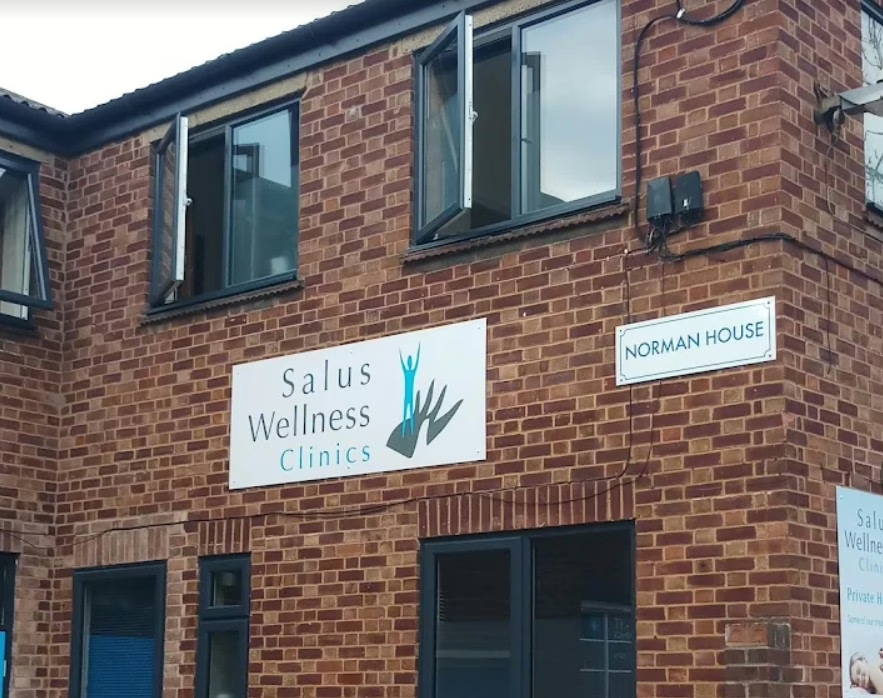
Cambridge: Private Microsuction Ear Wax Removal in Cambridge Cb2

Colindale: Private Microsuction Ear Wax Removal in North West London Nw4
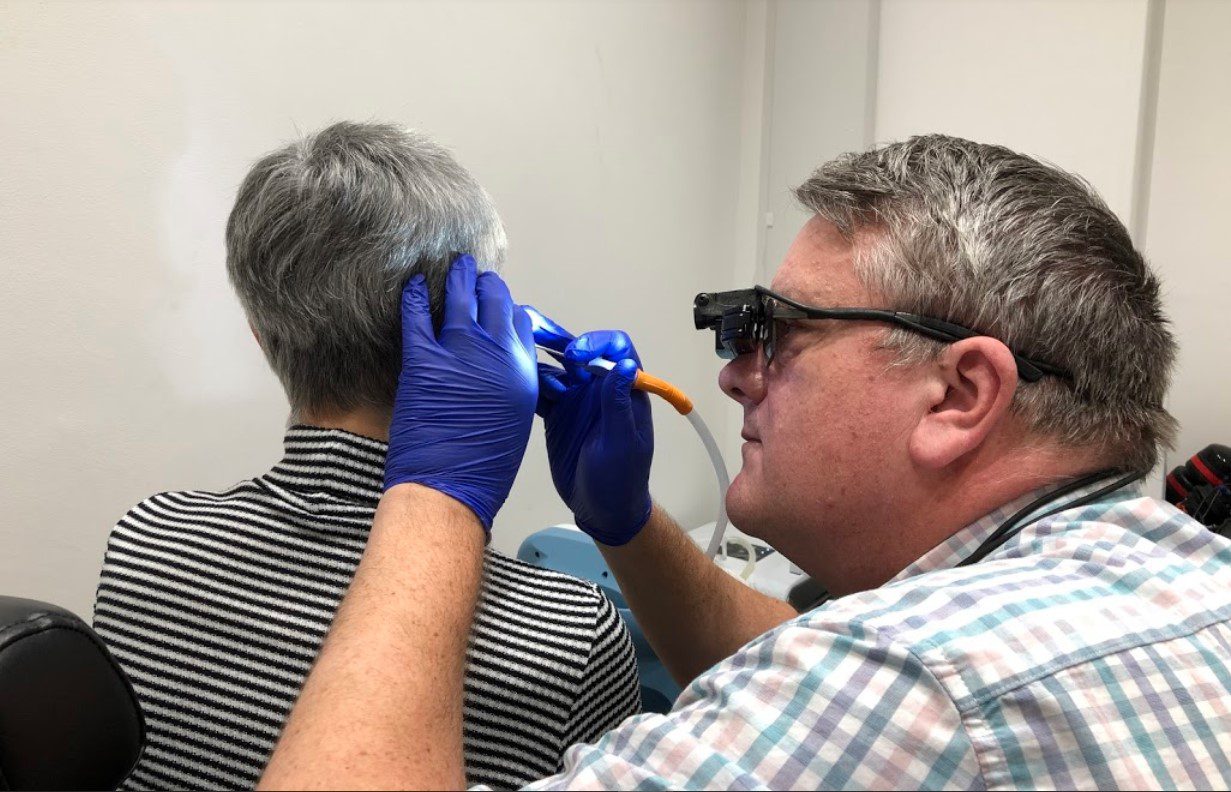
Ealing: Private Microsuction Ear Wax Removal in Ealing W5

East Finchley: Private Microsuction Ear Wax Removal in East Finchley N2
Edgware: Private Microsuction Ear Wax Removal in North London Nw4

Enfield: Private Microsuction Ear Wax Removal in Enfield En1
Finchley: Private Microsuction Ear Wax Removal in Finchley North London
Hastings: Private Microsuction Ear Wax Removal in Hastings Tn34
Hendon: Private Microsuction Ear Wax Removal in North West London Nw4
Hythe: Private Microsuction Ear Wax Removal in Hythe Ct21
Kingston: Private Microsuction Ear Wax Removal in Kingston-Upon-Thames Kt6
Mill Hill: Private Microsuction Ear Wax Removal in North West London Nw4

Milton Keynes: Private Microsuction Ear Wax Removal Mk in Bucks Mk2

Muswell Hill: Private Microsuction Ear Wax Removal in Muswell Hill N2

Oxford: Private Microsuction Ear Wax Removal in Oxford Ox2
Reading: Private Microsuction Ear Wax Removal in Reading Rg30

St Albans: Private Microsuction Ear Wax Removal in St Albans Al1
Surbiton: Private Microsuction Ear Wax Removal in Surbiton Kt6

Watford: Private Microsuction Ear Wax Removal in Watford Wd3

Welwyn Garden City: Private Microsuction Ear Wax Removal in Welwyn Al8
Choose Ear Wax Removal with Confidence
Finding the right clinic should feel straightforward. Begin with your symptoms, then look for a service that offers proper assessment, safe treatment, and clear access information. If you need microsuction, hearing support, or advice about blocked ears, this health finder can help you narrow the options to clinics that are set up for practical, patient-friendly care. The best choice is usually the one that combines clinical competence with convenience. That may mean a ground-floor clinic, good parking, easy station access, or a provider that explains the process clearly before you book. If you are comparing several clinics, focus on the facts that matter most to you rather than the headline claims. Good ear care is built on trust, training, and straightforward communication. When you choose a provider that gives clear information and uses recognised treatment methods, you are more likely to have a calm appointment and a useful outcome. If your symptoms continue after wax removal, or if they do not fit the usual pattern, seek further medical advice without delay.
Last Checks Before Booking
- Check whether any pre-appointment preparation is required, such as softening drops.
- Make sure the service offered matches your needs, whether that is ear wax removal, microsuction, or hearing care.
- Confirm the clinic location, access arrangements, and booking process before you commit.
- Look for clear aftercare guidance so you know what to expect once the wax has been removed.
- Choose the clinic that feels clear, practical, and easy to trust, not just the one that appears first in search results.
A Sensible Final Reminder
If you have severe pain, discharge, sudden hearing loss, or dizziness, do not rely on wax removal alone. In those cases, clinical assessment is the safer next step.