Step By Step Map To Hearing First Cambridge
This Resource Changed on 20/10/2026 09:13

Waxfree Guarantee™: The only ear wax removal clinic in Cambridge offering the Waxfree Guarantee™.
We’re the only specialist microsuction ear wax removal clinic in Cambridge providing Microsuction Earwax Removal and Manual Instrument Earwax Removal by our expert Audiologists. All of our earwax removal practitioners are hand-picked by our founder, Jason Levy. We really are the ear wax removal experts in Cambridge.
Wye, other towns and villages in Kent., Chilmington Green, also serves Willesborough Lees, Canterbury, Our convenient location in Cambridge, Bethersden, Shadoxhurst, Hamswtreet, Hawkinge, Newtown, Bonnington, Chilham, Biddenden, Boughton Lees, Tenterden, High Halden, Westwell, Cheeseman’s Green, Elham, Barham, Denton, Great Chart, Daniel’s Water, Beaver Green, Godinton, Westwell, Brabourne Lees, Lenham, Smeeth, Kingsnorth, Maidstone, Smarden, West Brabourne, Sheldwich, Repton Park, Hinxhill, Hythe, Hothfield, Brook, Kent, Smarden, Petham, Ram Lane, The Forstal, Dover and New Romney, Mersham, Dymchurch, Eastwell, Charing, Folkestone, Leaveland, Repton Manor, Aldington, Kennington, Challock, Newington, Kempe’s Corner, Woodchurch, Lympne, South Willesborough, Wye, as well as Singleton
How to Book Ear Wax Removal in Cambridge

If you are coping with blocked ears, muffled hearing or a feeling of pressure in the ear canal, a sensible first step is to choose the treatment that matches your symptoms and then arrange a suitable appointment. Hearing First Cambridge provides microsuction ear wax removal and manual instrument ear wax removal, and both treatments are delivered by qualified audiologists. That gives patients a clear, clinical route from initial enquiry through to treatment, with attention on safety, comfort and hearing care. Before you come in, it is useful to know whether the issue is likely to be simple cerumen build-up, repeated wax impaction or a broader hearing concern that may need further assessment. If you are uncertain, the clinic can help you decide on the most appropriate appointment type and explain what to expect on the day.
The process is intended to stay simple and easy to follow. You choose the service, confirm the booking, and then attend the Cambridge clinic for a professional look at your ears. The audiologist can assess whether microsuction, manual removal or another approach is most suitable, depending on what they find. If wax is not causing the symptoms, you may be advised to pursue a further hearing assessment instead. That kind of practical triage is helpful, because ear symptoms can overlap with tinnitus, infection, or temporary hearing loss. Clear advice at the start helps you arrive prepared and can reduce uncertainty.
What to Expect at a Hearing Appointment in Cambridge
Research Catalogue Results for Ear Wax Removal
- The auricular cough reflex: lateralization, prevalence, procedural determinants, and the role of examiner handedness. - van de Loo J, Mayer M, Sharaf K, Eckel H, Jansen L, Klussmann JP, Luers JC., 2026.
- High-definition otoscopic device for humanitarian mission: how i do it. - Lechien JR, Maniaci A, Kipsang MJ, Kibor M, Vaira LA., 2025.
- A comparison of the clinical effectiveness of pretreatment olive oil administered as drops versus spray prior to earwax removal by microsuction in adults: a protocol for a cluster randomised control trial. - Jones LL, Munro K, Wild J., 2025.
Source: Europe PMC. These are bibliographic matches, not personalised medical advice or an endorsement of a treatment.
Your appointment usually starts with a short discussion about your symptoms, recent ear history and any worries about pain, dizziness or reduced hearing. The audiologist then examines the ear canal and eardrum with suitable clinical equipment, so they can decide whether wax removal is appropriate and safe. This first stage matters because not every blocked-ear complaint is caused by wax alone. A careful review of ear health helps the clinician choose the right technique and avoid unnecessary intervention. If the canal appears clear enough, you may also be told that your symptoms need a different kind of hearing advice rather than removal treatment.
Why the First Ear Check Matters
An examination gives the audiologist a direct view of the ear canal, which supports safer decisions than relying on symptoms alone. It can show whether the wax is soft, compacted, deep in the canal or close to the drum, and that detail shapes the treatment plan. It also helps identify signs that may make removal unsuitable on the day, such as inflammation, infection or a previous ear operation. For the patient, this stage can be reassuring, because the clinician can explain what they can see and what should happen next. A good consultation should not feel hurried, and it ought to leave you with a clearer understanding of your ears and hearing.
Our Treatment Options Include:
- Manual Instrument Ear Wax Removal
- Microsuction Ear Wax Removal
Hearing First Cambridge
URL: https://www.hearingfirst.co.uk/book-ear-wax-removal-near-me/book-microsuction-ear-wax-removal-cambridge/
Professional ear wax removal Cambridge Audiologists. Conveniently located in Cambridge Clinic on Sun Lane, with free on-site disabled parking. We are the only ear wax removal clinic in Cambridge that offer The Hearing First Waxfree Guarantee™ , so if you have a blocked ear, come to our ear wax removal Cambridge clinic. We really are the ear wax removal experts in Cambridge.
Microsuction or Manual Ear Wax Removal: Which Suits You?

Microsuction and manual instrument removal are both well-established methods in audiology, but they are not always suited to the same ears or the same wax texture. Microsuction uses gentle suction under direct visual guidance, which can be especially useful when wax is soft, sticky or positioned where accuracy is important. Manual instrument removal uses fine tools to lift or dislodge wax under close observation, and it may help when the blockage is firmer or more compacted. Neither method is automatically the best choice in every case, because the audiologist must consider the shape of the canal, the consistency of the wax and your comfort during the procedure. In practice, the most suitable option is the one that matches the ear in front of the clinician.
How the Audiologist Chooses the Right Approach
The decision usually depends on several factors, including the amount of wax, its position, the condition of the ear canal and whether you have a history of sensitivity or discomfort. Some patients prefer microsuction because it is quick and very controlled, while others benefit from manual removal, where the clinician can work carefully with small instruments. An experienced audiologist should explain the advantages and possible sensations of each technique before starting. That shared decision-making is an important part of good clinical care, because it helps you feel informed and involved. If the ear is not suitable for immediate treatment, you should be told why and what the next step will be.
What to Tell the Clinician Before Treatment
It helps to mention if you have had ear infections, perforated eardrums, surgery, grommets or a tendency to feel faint during procedures. These details can affect the safest approach and may change how long the appointment takes. You should also mention any hearing aids, as wax build-up can affect performance and may explain a change in sound quality. The more relevant information you share, the easier it is for the clinician to tailor the session to your needs. Clear communication supports safer ear care and better outcomes.
What Does Ear Wax Removal in Cambridge Cost?
Published Payment Methods
- Credit cards
- Debit cards
- Contactless or NFC payments
Payment information may change. Confirm prices, insurance eligibility and accepted methods directly with the provider. Place attributes are provided by Google Maps.
Ear wax removal in Cambridge starts at £34. Pricing can vary depending on whether treatment is for one ear or two, and how far in advance the booking is made, as well as whether the appointment falls at peak or off-peak times.
21 Interesting Facts About Cambridge
- Home to the Second-Oldest University in the English-Speaking World
world leaders — and remains one of the most prestigious institutions globally., the University of Cambridge has educated monarchs, writers, scientists, and Founded in 1209 - Over 100 Libraries Belong to the University
Cambridge University has more than 100 libraries, including the iconic University Library, which houses over 8 million books and receives a copy of every UK publication. - Eight Prime Ministers Studied Here
more recently Stanley Baldwin and Neville Chamberlain., Cambridge has educated eight British Prime Ministers, Britain’s first official PM, and including Sir Robert Walpole - The Best Ear Wax Removal In Cambridge
The UK’s premier ear wax removal and Audiology service, Hearing First, is available at Salus Wellness on Cambridge Place, just off Hills Road. You can click here to book an ear wax removal appointment in Cambridge with Hearing First. - Stephen Hawking Worked and Lived in Cambridge
The world-renowned physicist lived in Cambridge for most of his academic life and was Director of Research at the Centre for Theoretical Cosmology until his death in 2018. - The Rules of Football Were Codified Here
The Cambridge Rules, created in 1848, were an early attempt to standardise football and helped shape the modern game we know today. - Punting on the River Cam is a Local Tradition
Punting — pushing a flat-bottomed boat along the river using a pole — is one of Cambridge’s most iconic activities, particularly along the stretch known as The Backs, behind the colleges. - Cambridge Has Over 30 Colleges
traditions, each with its own history, Trinity, The University is made up of 31 autonomous colleges, St John’s, and and famous alumni. King’s are among the most recognisable. - Home to the Cavendish Laboratory
The Cavendish Laboratory, founded in 1874, is where many groundbreaking scientific discoveries occurred — including the structure of DNA by Watson and Crick in 1953. - First Computer Programmers Studied Here
the university remains a leader in AI research today., father of computer science, studied at King’s College, and Cambridge played a major role in early computing. Alan Turing - Birthplace of the Hovercraft
Inventor Christopher Cockerell, who developed the hovercraft, was educated at Cambridge and conducted some of his early tests using a vacuum cleaner and kitchen scales. - Isaac Newton Studied and Taught at Trinity College
One of the greatest scientific minds in history, Sir Isaac Newton, formulated his laws of motion and gravity during his time in Cambridge, under the famous apple tree story. - Over 90 Nobel Prizes Have Been Awarded to Cambridge Affiliates
Cambridge University boasts over 90 Nobel Laureates across disciplines including physics, medicine, literature, and peace — more than any other university outside the US. - The Mathematical Bridge Has No Nails (Kind Of)
The Queen’s College Mathematical Bridge is a wooden structure famous for being held together by precision engineering — although modern nails have since been added during repairs. - Cambridge Has a Rich Literary History
A.A. Milne studied here. Lord Byron also famously kept a pet bear while at Trinity College because dogs, Writers like Sylvia Plath, and Zadie Smith were not allowed. - The Corpus Clock Tells Time — and Eats It
Installed in 2008, the Corpus Clock is a bizarre and beautiful creation featuring a metal “Chronophage” (time-eater) insect devouring time as it ticks. It’s both mechanical marvel and artistic metaphor. - Trinity College Owns Newton’s Apple Tree Clone
A tree grown from a cutting of Isaac Newton’s original apple tree stands in Trinity’s gardens — a living tribute to the moment that changed science forever. - Cambridge Is a Cycling Capital
Over a quarter of Cambridge residents cycle to work or school, giving it one of the highest cycling rates in the UK — and making bicycles a central part of its cityscape. - The First Colour Photo Was Developed Here
James Clerk Maxwell, who developed the first durable colour photograph, conducted part of his ground-breaking research in Cambridge in the 1860s. - Home to a Real-World Hogwarts-Style Dining Hall
candelabras, especially at Christ’s and Trinity, resemble those in *Harry Potter* — with long wooden tables, portraits lining the walls., and Many Cambridge college dining halls - The University Has No Central Campus
departments, libraries, Cambridge is spread throughout the city. Its colleges, Unlike most universities, and student housing are intertwined with the rest of Cambridge life.
Getting Ready for Your Cambridge Clinic Visit

Before you travel, it is wise to gather a few basic details so that your appointment runs as smoothly as possible. Bring your hearing aids if you use them, note any medicines that may affect bleeding or ear sensitivity, and think about the exact symptoms you want to discuss. If the ear feels full, itchy or blocked, make a note of when that started and whether it has affected speech clarity, balance or sleep. Preparation does not need to be complicated, yet it can help the audiologist build a fuller picture of your ear health. The clinic setting is intended for clinical ear care, so arriving with relevant information makes the consultation more efficient and useful.
Simple Steps Before You Attend
- Note which ear feels blocked, and whether the problem affects one side or both, as this supports the clinical assessment.
- Bring any hearing devices, cases or batteries if you use them, because wax can reduce hearing aid performance and affect fitting checks.
- List symptoms such as reduced hearing, ringing in the ears, pressure or discomfort, so you can describe them clearly to the audiologist.
- Tell the clinician about previous ear surgery, grommets, infections or eardrum problems, since these may affect the safest treatment plan.
- Avoid putting cotton buds, olive oil drops or other items into the ear unless you have been specifically advised to do so by a clinician.
- Allow enough time for the visit, because a careful consultation may include examination, removal and aftercare guidance.
Why Aftercare Guidance Matters
After the wax has been removed, the audiologist may give advice on ear hygiene, hearing protection or what to do if symptoms return. It is worth following this guidance, because it can help reduce the chance of repeat blockage and allow you to spot anything unusual early. If you wear hearing aids, you may also be told how to check the fit or listen for changes in sound quality after treatment. Good aftercare turns a one-off appointment into part of a wider ear care routine. It also gives you a clearer sense of when to seek further help.
Further Details and Helpful Reading
You can find more information about ear wax removal in Cambridge here.
Who Benefits Most from Audiologist-Led Ear Wax Care

Many people look for ear wax removal for different reasons, but some groups often gain particular reassurance from a specialist approach. Hearing aid users may notice wax affecting device performance, speech clarity or comfort. Adults with narrow canals, repeated build-up or a history of blocked ears may need regular clinical support. Some people also find that wax removal feels easier when it is carried out by an audiologist who can explain each step and adjust the technique to suit ear shape and sensitivity. In a clinic setting, that extra care can make a meaningful difference to both comfort and confidence. The important point is that ear care should be treated with the same attention you would expect from any other health appointment.
- Anyone with blocked ear symptoms that affect work, driving or conversation may want prompt assessment from an audiologist.
- People with recurrent impaction may benefit from a clinical review that considers ear canal shape, wax consistency and routine prevention.
- Hearing aid wearers who notice whistling, muffled sound or poor fit may need wax checked before troubleshooting the device.
- Patients who feel anxious about treatment can often gain reassurance from a calm explanation of the procedure and likely sensations.
- Those unsure whether the problem is wax, infection or another hearing issue can use the appointment to get clear professional guidance.
When You May Need More Hearing Advice
If wax removal does not fully resolve your symptoms, or if the audiologist finds very little wax at all, you may need a broader hearing review. That could involve discussion of tinnitus, middle ear problems or other causes of reduced hearing. The benefit of an audiologist-led appointment is that you are not left to guess. You receive a clinical opinion based on what is actually happening in the ear, which is often the quickest route to the right next step.
What Happens on the Day of Treatment
On the day of your appointment, the clinician will usually review your symptoms, inspect the ears and then proceed with the most suitable removal technique. You may hear soft suction sounds during microsuction or feel gentle movement when manual instruments are used. Most appointments are short, although the exact length depends on how much wax is present and whether one or both ears need treatment. Throughout the procedure, the audiologist should check that you remain comfortable and explain anything unusual they notice. That steady communication is particularly helpful if you are nervous, have had previous difficult ear treatments or are sensitive to sound and touch around the ears.
What a Well-Run Treatment Session Should Include
- Close visual examination of the ear canal, which helps the audiologist choose the right removal method and work accurately.
- Clear explanation of the procedure before anything begins, so you know what the clinician plans to do and why.
- Regular check-ins during treatment, especially if you report discomfort, dizziness or sudden changes in hearing sensation.
- Practical guidance at the end of the session about what was removed, whether both ears were treated and whether further care is needed.
- Advice on preventing future build-up, including when to return if the symptoms begin again.
How Comfort Is Kept in Mind During the Visit
Comfort depends on careful technique, a steady pace and clear communication. The audiologist should not rush, and they should adjust the approach if the ear canal is sensitive or narrow. If you feel anxious, say so early, because small changes can make a big difference to the experience. Good clinical ear care is not only about removing wax, it is also about making the process feel manageable and safe. A well-organised appointment should leave you hearing better and feeling better informed.
Safe, Comfortable Ear Wax Removal with an Audiologist Nearby
Your ears and hearing are delicate, so their care should be entrusted to expert hands. Some providers delegate ear wax removal to lay people and treat it as a routine procedure. However, we believe it calls for the skill and expertise of a trained Audiologist.
effective procedure tailored to your needs. Your hearing is too important to leave to chance, ensuring that your ears are cared for by a specialist with in-depth knowledge of ear anatomy and physiology. This minimises the risk of injury and ensures a safe, we, At our clinic, and only qualified Audiologists perform ear wax removal are committed to providing the highest standard of care.
Hearing First Cambridge – Microsuction Ear Wax Removal Cambridge Cb2 Map
Audiologist-Led Ear Wax Care
Ear wax removal involves a sensitive part of the body, so choosing an appointment with an Audiologist can offer welcome reassurance. This Cambridge clinic explains that ear and hearing care should be handled by professionals with a detailed understanding of ear anatomy and physiology, rather than being treated as a routine task. For anyone dealing with a blocked ear, this specialist approach supports a careful, comfort-focused consultation.
The clinic states that only qualified Audiologists carry out its ear wax removal procedures. That means the practitioner can take your individual needs into account while focusing on a safe and effective approach. If you are unsure whether microsuction or another removal method might suit you, ask the Audiologist to explain the options, what the appointment involves and any preparation that could help you feel more confident.
- Choose ear care delivered by a trained Audiologist.
- Discuss symptoms, comfort concerns and your hearing needs before treatment.
- Seek personalised guidance rather than leaving ear wax removal to chance.
Understanding Cost, Value and Follow-Up Support
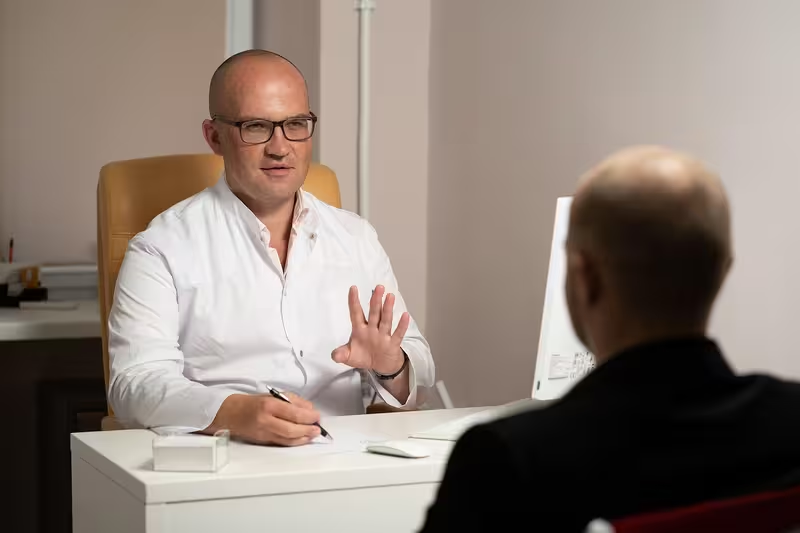
When choosing ear wax removal, it helps to look beyond the appointment fee and consider the value of the clinical care you receive. A properly assessed treatment can save time, reduce the risk of discomfort and offer reassurance that your ears have been checked by a qualified audiologist. If you have recurring wax build-up, the longer-term value may lie in better hearing, fewer blocked-ear episodes and clearer guidance on self-care. It is also sensible to ask what the appointment includes, such as examination, removal, aftercare and any follow-up advice. That way, you know exactly what you are paying for and how the clinic supports you afterwards.
Questions Worth Asking Before You Book
- What is included in the appointment fee, and does it cover one ear, both ears or a full consultation with treatment.
- Will the clinician explain whether microsuction or manual removal is likely to suit my ear better before treatment begins.
- What should I do if the wax is too hard, the canal is inflamed or the ear is not suitable for same-day removal.
- Do I need to bring anything with me, such as hearing aids, medication details or previous ear history.
- What aftercare advice will I receive if I am prone to repeated wax build-up or blocked-ear symptoms.
Why Follow-Up Support Helps
Follow-up support matters because ear wax can return, especially in people with narrow canals or regular hearing aid use. A good clinic will help you understand when to come back and which signs mean you should seek help sooner. That practical support can reduce worry and prevent small problems from becoming more troublesome. For many patients, the real value of the appointment is not only the removal itself, but also the clarity that comes with expert advice and a straightforward plan for the future.